Elizabeth of Russia
Elizabeth, also known as Elizaveta Petrovna, was the Empress of Russia from 1741 until she died in 1762. She is remembered as one of Russia's most loved rulers because she chose not to hurt anyone who opposed her. She started many big building projects and stood up against the policies of Prussia. Elizabeth was the last ruler from the direct Romanov family before her nephew took over, starting the Holstein-Gottorp-Romanov dynasty.
She was the second-eldest daughter of the famous Tsar Peter the Great. After her half-brother Alexei died, the throne passed to several family members, including her mother Catherine I of Russia, her nephew Peter II, and her first cousin Anna. With help from the military, Elizabeth took the throne and named her nephew, the future Peter III, as her heir.
During her rule, Elizabeth followed her father's policies and helped bring about a time called the Age of Enlightenment in Russia. She made changes that gave noble families more control in local governments. She supported education by helping Mikhail Lomonosov start the University of Moscow. Her court was known for its beauty and grand architecture. She improved Russia's roads, supported the creation of the Imperial Academy of Arts by Ivan Shuvalov, and paid for many huge buildings designed by her favorite architect, Bartolomeo Rastrelli, such as the Peterhof Palace. Famous landmarks like the Winter Palace and the Smolny Cathedral in Saint Petersburg were built during her time.
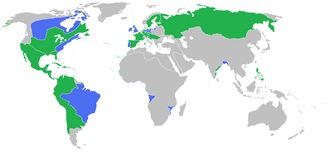
Elizabeth led the Russian Empire through two big wars in Europe: the War of Austrian Succession from 1740 to 1748 and the Seven Years' War from 1756 to 1763. With her diplomat Aleksey Bestuzhev-Ryumin, she made alliances with Austria and France to end the first war, but these actions helped start the second. Russian soldiers won several battles against Prussia. However, just as Prussia was thinking about giving up in early 1762, Elizabeth died. She was the last direct member of the House of Romanov to rule Russia.
Early life
Elizabeth was born at Kolomenskoye Palace, near Moscow, Russia, on 18 December 1709. Her parents were Peter the Great, Tsar of Russia, and Catherine, who came from a simple background. Though they married later, Elizabeth and her sister were recognized as princesses.
As a child, Elizabeth was her father’s favorite, but he did not focus much on her education since he did not expect a girl to rule Russia. Raised mainly by her mother, Elizabeth learned French, arts, and sports. She grew up to be lively and enjoyed activities like horseriding, hunting, and skating. Many thought she was very beautiful and full of energy.
Later, Elizabeth had many suitors, but none worked out. She found a lifelong companion in Alexei Razumovsky, a talented singer she had taken into her service.
Imperial coup
Elizabeth's nephew Peter II ruled from 1727 to 1730. During his time, a powerful family called the Dolgorukovs took control and removed a man named Menshikov from power.
Later, when Elizabeth's cousin Empress Anna ruled from 1730 to 1740, Elizabeth waited for her chance to rule. After Anna died, a young boy named Ivan VI became emperor under the care of his mother, Anna Leopoldovna. But times were hard, with high taxes and problems.
With help from some guards and foreign friends, Elizabeth took power on the night of 25 November 1741. She promised that if she became Empress, she would not execute anyone, and she kept this promise throughout her rule.
However, Elizabeth was still careful about her rule. She kept Ivan VI and his mother imprisoned, fearing they might cause trouble. She also dealt with a plot involving Countess Natalia Lopukhina to put Ivan VI back on the throne. The women involved had their sentences changed to lesser punishments.
Reign
Elizabeth became Empress in the Dormition Cathedral on 25 April 1742 in Moscow Kreml. She was thirty-three years old when she began ruling a large country. She felt the country had faced difficulties with foreign control before her time.
Elizabeth made many changes to help her country. She encouraged education for all people and helped start the first university in Russia founded in Moscow. She also supported building important places such as the Smolny Convent and the Winter Palace. She worked to keep peace inside her country and stopped the worst punishments, including capital punishment. Her building projects improved roads and infrastructure across Russia.
Foreign policy
Elizabeth changed how government meetings worked and brought back an important group called the Senate. She made it like it used to be under Peter the Great. One of her first tasks was to end a war with Sweden. In 1743, they signed a treaty where Sweden gave Russia land in southern Finland, including two important forts.
A man named Aleksey Bestuzhev-Ryumin helped Elizabeth with her plans. He worked hard to make friends with England and Austria and helped Russia stay strong even when other countries tried to cause trouble. He did many good things for Russia, but he was removed from his job in 1758.
One big event during Elizabeth's time was the Seven Years' War. Elizabeth did not like the leader of Prussia and joined forces with France and Austria to fight against him. Even when things got hard, Elizabeth kept working to make sure Russia’s interests were protected.
In the far east, Elizabeth tried to control the Chukchi people but faced strong resistance. She later decided to make peace with them instead.
Court
Elizabeth's court was very grand and one of the most splendid in Europe. Her nobles wore rich clothes, ate fine foods, and drank special drinks. They used many silver and gold objects, more than ever before in the country. It was common to serve over a thousand bottles of French champagnes and pineapples at events, even though pineapples were hard to find.
French plays were very popular and performed often. Music was important, partly because of Elizabeth's supposed husband, Alexei Razumovsky, who loved music. Elizabeth brought talented musicians from Germany, France, and Italy. She owned many dresses, shoes, and stockings.
Elizabeth cared a lot about looking different. She made rules so no one could wear the same hairstyle, dress, or accessory as her. She held two balls a week—one large with many guests and one smaller for her closest friends. The smaller balls were called metamorphoses balls, where guests dressed up in fun ways. Elizabeth enjoyed these events very much. She also liked to celebrate children's birthdays and weddings for people at her court.
Death
In the late 1750s, Elizabeth's health got worse. She felt dizzy and did not want to take her medicine. She did not let anyone say the word "death" around her. On December 24, 1761 (old style), she had a stroke.
Elizabeth knew she was very sick. She said her prayers, said goodbye to a few close friends, and spoke with her confessor.
Elizabeth passed away the next day, on Orthodox Christmas in 1761, at the Winter Palace. For her ceremony before the burial, she wore a beautiful silver dress. She was buried in the Peter and Paul Cathedral in Saint Petersburg on February 3, 1762 (old style), six weeks after the ceremony.
Ancestry
| Ancestors of Elizabeth of Russia | |||||||||||||||||||||||||||||||||||||||||||||||||||||||||||||||||||||||||||||||||||||||||||||||||||||||||||||||||||||||||||||||||||||||||||||||||||||||||||||||||||||||||||||||||||||||||||||||||||||||||||||||||||||||||||||||||||||||||||||||||||||||||||||||||||||||||
|---|---|---|---|---|---|---|---|---|---|---|---|---|---|---|---|---|---|---|---|---|---|---|---|---|---|---|---|---|---|---|---|---|---|---|---|---|---|---|---|---|---|---|---|---|---|---|---|---|---|---|---|---|---|---|---|---|---|---|---|---|---|---|---|---|---|---|---|---|---|---|---|---|---|---|---|---|---|---|---|---|---|---|---|---|---|---|---|---|---|---|---|---|---|---|---|---|---|---|---|---|---|---|---|---|---|---|---|---|---|---|---|---|---|---|---|---|---|---|---|---|---|---|---|---|---|---|---|---|---|---|---|---|---|---|---|---|---|---|---|---|---|---|---|---|---|---|---|---|---|---|---|---|---|---|---|---|---|---|---|---|---|---|---|---|---|---|---|---|---|---|---|---|---|---|---|---|---|---|---|---|---|---|---|---|---|---|---|---|---|---|---|---|---|---|---|---|---|---|---|---|---|---|---|---|---|---|---|---|---|---|---|---|---|---|---|---|---|---|---|---|---|---|---|---|---|---|---|---|---|---|---|---|---|---|---|---|---|---|---|---|---|---|---|---|---|---|---|---|---|---|---|---|---|---|---|---|---|---|---|---|---|---|---|---|---|
| |||||||||||||||||||||||||||||||||||||||||||||||||||||||||||||||||||||||||||||||||||||||||||||||||||||||||||||||||||||||||||||||||||||||||||||||||||||||||||||||||||||||||||||||||||||||||||||||||||||||||||||||||||||||||||||||||||||||||||||||||||||||||||||||||||||||||
Elizabeth of Russia was born into a royal family. Her ancestors were important leaders from different places. This background shaped her life and her role in history.
Pictures
Keep exploring


This article is a child-friendly adaptation of the Wikipedia article on Elizabeth of Russia, available under CC BY-SA 4.0.
Images from Wikimedia Commons. Tap any image to view credits and license.