 Safekipedia
Eszterháza
Adapted from Wikipedia · Adventurer experience
Eszterháza
Eszterháza is a grand palace in Fertőd, Hungary. It was built by Prince Nikolaus Esterházy. People often call it the "Hungarian Versailles" because it is very big and beautiful. The palace is one of Hungary's most important Rococo buildings. Rococo buildings are known for their fancy designs and decorations.
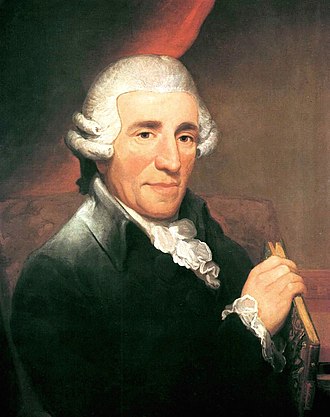
From 1766 to 1790, the famous composer Joseph Haydn and his orchestra lived and worked at Eszterháza. This made the palace an important place for music history. Today, visitors can explore the beautiful rooms and learn about the rich history of this amazing building.
History
Esterháza was not the main home of the Esterházy family; their main home was Schloss Esterházy, a palace nearby in Kismarton (now called Eisenstadt, Austria).
Nikolaus Esterhazy started planning a new palace after he became the prince in 1762. Before this, he often stayed at a hunting lodge called Süttör, built around 1720, which became the start of Esterháza.
The palace was designed by several architects. Though it is often compared to Versailles, some believe it was more influenced by Schönbrunn palace in Vienna. Special windows above the entrance look like musical instruments.
Construction began in 1766 and took many years to finish. The opera house was ready in 1768, and the marionette theater in 1773. Famous composer Joseph Haydn lived here and gave concerts. The fountain in front of the palace was finished in 1784.
Nikolaus Esterházy passed away in 1790. His son and the leaders after him did not want to live in the palace anymore.
Location
The palace was built near the south shore of the Neusiedler See. The land there was swampy and thought to be unhealthy when the palace was built. Prince Nicolaus chose this spot for his grand castle, maybe to show that big ideas can solve problems.
Rooms
The palace has 126 rooms. One special room is the Banquet Room. Its ceiling shows a painting of Apollo in his Chariot. There is a big library with almost 22,000 books. The letter 'E' for the family name is shown there. The largest room is the Sala Terrana. It looks like a cave and was designed in an Italianate style. Angels dance on its ceiling, holding flower wreaths shaped like the letter 'E'.
Haydn at Eszterháza
From 1766 to 1790, famous composer Joseph Haydn lived at Eszterháza in a small flat. He wrote many of his symphonies for the prince’s orchestra there. The estate had two opera houses. One was a main theatre that could hold 400 people, and the other was a marionette theatre. Haydn often conducted operas, sometimes many times each year.
The palace was far from other places, which could sometimes feel lonely for the musicians. This inspired Haydn to write his Farewell Symphony as a gentle way to ask the prince to let them leave.
Picture gallery
The picture gallery shows different scenes and things from Eszterháza. One photo shows a fountain from a wedding party in 2008.
Eszterházy Treasure
The Eszterházy Treasure has many valuable items and artworks.
Images
Related articles


This article is a child-friendly adaptation of the Wikipedia article on Eszterháza, available under CC BY-SA 4.0.
Images from Wikimedia Commons. Tap any image to view credits and license.