 Safekipedia
Melatonin
Adapted from Wikipedia · Adventurer experience
Melatonin is a natural compound that helps control our sleep. It was found in 1958 by a scientist named Aaron B. Lerner. He discovered it in the pineal gland of cows.
In animals, melatonin does more than just make us sleepy. It helps keep our body clocks working well and manage our blood pressure.
Besides its natural role, melatonin is also used as a supplement to help people who have trouble sleeping. One special form of melatonin, called Circadin, is used to help older adults who have trouble sleeping. It is especially helpful for people who have trouble keeping their sleep-wake schedules regular.
Biological activity
In humans, melatonin works by connecting to special parts of the brain called melatonin receptors. These receptors help control important body processes.
Melatonin also helps protect cells by fighting harmful substances called free radicals. It does this by stopping these substances and helping the body make more protective enzymes. This helps keep cells healthy and strong.
Biological functions
Circadian rhythm
Main article: Circadian rhythm
In animals, melatonin helps control sleep and wake cycles, called circadian rhythms. Babies usually start making regular amounts of melatonin about three months after they are born, with the most produced between midnight and early morning. As people get older, they make less melatonin. During teenage years, the timing of melatonin changes, which can make it harder to fall asleep early.
Melatonin also helps protect cells from damage. It can stop harmful substances from hurting cells.
Immune system
Melatonin may help the body’s defense system, though much is still unknown. It seems to reduce swelling and inflammation.
Weight regulation
Melatonin might help control weight by affecting a hormone that tells the body about its energy levels.
Biochemistry
The biosynthesis of melatonin in animals starts with a substance called L-tryptophan. This comes from plants or from breaking down proteins in our bodies. L-tryptophan is changed into serotonin, an important chemical in our brains.
Serotonin is then changed into melatonin, the hormone that helps us feel sleepy at night. In plants, bacteria, and other organisms, melatonin is made in a similar way but with some different steps.
The production of melatonin is controlled by light. When it’s dark, our bodies make more melatonin, helping us feel sleepy. Bright light, especially blue light, can stop melatonin production. This is why it’s helpful to avoid bright screens before bed and can be useful to wear special glasses that block blue light if you need to adjust your sleep schedule.
Melatonin is broken down in our bodies quickly, mainly in the liver.
Use as a medication and supplement
Melatonin can help people who have trouble sleeping, especially those who are 55 years old or older. In some countries, a special form of melatonin called Circadin is approved to help with sleep problems. However, it is not approved in the United States.
Melatonin may also help people whose bodies have trouble knowing when to sleep, such as those who travel far distances and experience jet lag. It might help people who work at night, but the benefits are not clear.
Melatonin is sold in many places as a supplement you can buy without a doctor’s visit. It comes in different forms, like pills, gummies, and liquids, and in different strengths. Some forms work quickly, while others take longer to affect sleep.
History
Main article: History of the pineal gland
Melatonin was first found when scientists saw that extracts from the pineal gland of cows could change the skin color of tadpoles. This happened in 1917.
Later, in 1958, a professor named Aaron B. Lerner and his team at Yale University isolated melatonin from cow pineal glands. They were interested in whether this substance could help treat skin diseases. More research showed that the body makes melatonin in a regular pattern, helping control sleep and wake times.
In 1995, a patent was granted for using melatonin as a sleep aid. The name "melatonin" comes from Greek words meaning "black" and "labour" or "colour", because it helps prevent skin from darkening. This naming is similar to serotonin, another substance that affects skin color.
Occurrence
Animals and Humans
In animals and humans, melatonin is made mostly at night by a small gland in the brain called the pineal gland. This gland helps control our sleep patterns. When it’s dark, the body makes more melatonin, which helps us feel sleepy. During the day, when it’s light, the body makes less melatonin, helping us stay awake.
Many animals and humans use changes in melatonin levels to know when to sleep and when to wake up throughout the year. This helps them adjust to longer or shorter days in different seasons.
Plants
Melatonin is also found in plants. It was first discovered in plants in 1987. It can be found in leaves, stems, roots, fruits, and seeds. Melatonin in plants helps protect them from stress, like cold or dry weather.
Fungi
Melatonin can also be found in some fungi and helps reduce stress in these organisms.
Bacteria
Bacteria, especially certain types of blue-green bacteria, also produce melatonin. This helps protect them from damage caused by oxygen.
Archaea
In 2022, scientists found that a type of ancient microbe called Thermoplasma volcanium also makes melatonin. This shows that melatonin production goes back billions of years in living things.
Food products
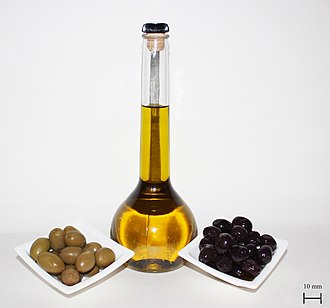
Melatonin is naturally found in some foods, such as tart cherries, bananas, plums, grapes, rice, cereals, herbs, olive oil, wine, and beer. Eating these foods can sometimes help increase melatonin levels in our bodies, which may improve sleep.
Images
Related articles



This article is a child-friendly adaptation of the Wikipedia article on Melatonin, available under CC BY-SA 4.0.
Images from Wikimedia Commons. Tap any image to view credits and license.