 Safekipedia
Names of Germany
Adapted from Wikipedia · Adventurer experience
Names of Germany
There are many different names for Germany in various languages, more than any other European country. The German word for their own country is Deutschland, coming from an old German word diutisc, meaning "of the people." In French, Germany is called Allemagne, named after the Alamanni tribe.
In Italian, the country is known as Germania, from the Latin word Germania, while the German people are called tedeschi, which relates to the German word Deutsch. In Polish, Germany is Niemcy, from an old word meaning "speechless," because German sounds different from Slavic languages.
Other names include Saksa in Finnish, named for the Saxon tribe, and Vokietija in Lithuanian, possibly from an old root meaning “those who speak loudly.” These names show early contacts between different groups of people. Each name for Germany has spread worldwide, showing how languages change and share history.
List of area names
Germany has many different names in various languages, more than any other European country. These names come from old tribes, languages, and historical groups.
Names can come from old German words, Latin terms, or the names of ancient tribes like the Alamanni or Saxons. For example, in French, Germany is called Allemagne, named after the Alamanni tribe. In Polish, it is Niemcy, which means "speechless" because German sounds unfamiliar to Polish speakers. Each name reflects a unique bit of history and culture.
Discussion of name origins
The name Deutschland comes from the Old High German word diutisc, meaning "of the people." This word helped tell apart people who spoke German from those who spoke other languages. In Italian, Germans are called tedeschi, which also comes from this same root.
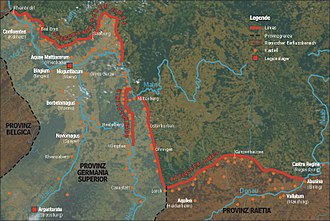
The name Germany comes from the Latin Germania. The Romans used this name to describe the lands east of the Rhine River. They got the name from the Gauls, who were the first to call these people Germani.
The French call Germany Allemagne, a name that comes from the Alemanni tribe. This tribe lived in what is now Alsace and parts of Switzerland. In English, older names for Germany included "Almain" or "Alman" before "German" became common.
In many Slavic languages, such as Polish, Germany is called Niemcy, meaning "the speechless." This is because German was hard for Slavic speakers to understand. Similar ideas appear in other languages too.
Names in East Asia, like the Chinese 德国 (Déguó) and the Japanese ドイツ (Doitsu), are based on the German word Deutsch. These names were often borrowed through Dutch or other European languages.
Etymological history
The names for "Germany" and "Germans" have changed a lot over the past 2000 years, which can sometimes be confusing. The idea of "Germans" and "Germany" is old, but the nation-state of Germany only began in 1871. Later events, such as the division and reunification of Germany, have made the names even more complex.
Since the time of Charlemagne, the area that is now Germany was part of the Holy Roman Empire, a group of independent rulers. It was called Heiliges Römisches Reich in German, and later Heiliges Römisches Reich Deutscher Nation, meaning the Holy Roman Empire of the German Nation.
Today, people in Germany call their country Deutschland, which comes from an old German word meaning "of the people." In other languages, Germany has different names based on history. For example, the name in French, Allemagne, comes from a tribe called the Alamanni, while in Polish, Niemcy, means "speechless," showing how early Poles found the German language hard to understand.
Images
Related articles



This article is a child-friendly adaptation of the Wikipedia article on Names of Germany, available under CC BY-SA 4.0.
Images from Wikimedia Commons. Tap any image to view credits and license.