 Safekipedia
Neutral buoyancy
Adapted from Wikipedia · Adventurer experience
Neutral buoyancy happens when something’s weight is just right compared to the water around it. This means the object doesn’t sink to the bottom or float all the way to the top—it stays right where it is.
In scuba diving, staying at one level in the water is very important. Divers learn to keep themselves in neutral buoyancy by breathing slowly and adjusting their weight. This lets them move quietly and see underwater life without disturbing it too much.
Keeping neutral buoyancy isn’t easy because the air in a diver’s body changes with pressure. That’s why divers must keep adjusting, usually by how they breathe, to stay balanced in the water.
History
The mathematician Archimedes learned a lot about how things float over 2000 years ago. He found that an object is pushed up by a force equal to the weight of the water it pushes aside.
When an object floats, it is called positively buoyant. When it sinks, it is negatively buoyant. But when it stays in one place without sinking or floating higher, it is neutrally buoyant. People have used this idea to make things like life jackets and special equipment for diving such as submarines and submersibles.
Uses
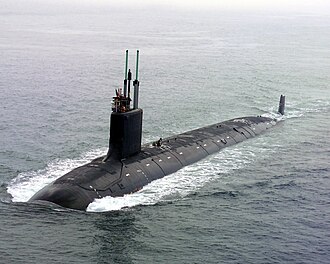
Buoyancy helps many things stay afloat. Boats, ships, and seaplanes are built to float on water. Submarines can control how deep they go by changing their buoyancy. Items like life preservers and pontoons help things float.
Buoyancy is important in water sports. Swimmers know how to float by lying on their backs or holding their breath. When they want to dive, it takes more effort. Scuba divers need to understand buoyancy. They wear lead weights to balance their floatiness.
Gases are also fluids. Things can float in air, too. A hot-air balloon stays steady when the hot air inside is lighter than the air around it.
Microgravity simulation
Neutral buoyancy is used to train astronauts for working in the microgravity of space. NASA and the Russian space program have special places where astronauts practice. The University of Maryland's Space Systems Laboratory also uses a tank to test new space robots.
Characteristics
When an object is in still water and has neutral buoyancy, it doesn't float up or sink down. This is because the forces balance each other out. If you push the object, it will move in the direction you push it. If you don't push it, it will just stay where it is.
Appearance in nature
A fish uses a special air-filled organ called a swim bladder to stay at the same level in the water. By changing the air inside this organ, the fish can stay balanced and not sink or float.
Our brains stay balanced thanks to a special liquid called cerebrospinal fluid. Even though the brain weighs about 1,400 grams, this liquid makes it feel much lighter, about 25 grams. This helps the brain stay healthy and work well.
Related articles



This article is a child-friendly adaptation of the Wikipedia article on Neutral buoyancy, available under CC BY-SA 4.0.
Images from Wikimedia Commons. Tap any image to view credits and license.