
Public university
A public university, state university, or public college is a school that is owned by the state or gets a lot of money from the government. Whether a national university is called "public" depends on the country and its schools. A private university is usually owned and run by a private company, which might not make a profit or might want to. Both public and private universities are often watched over by the government, but how much they are watched can be different. Public universities help make higher education easy for many students to reach.
Africa
Algeria
See also: List of universities in Algeria
In Algeria, public universities help people learn, and going to school is a right for everyone. Students must pass an exam called the Baccalaureate (Bac) to join. Each university chooses what grades students need for different subjects. Some well-known public universities are the University of Algiers, University of Oran, and University of Mentouri Constantine.
Egypt
See also: List of universities in Egypt
In Egypt, Al-Azhar University began in 970 AD as a special school and became a public university in 1961. It is one of the oldest schools in the world. In the 1900s, Egypt opened many public universities where students pay lower fees because the government helps. Some of these universities are Cairo University, opened in 1908, Alexandria University in 1912, and others that opened later.
Kenya
See also: List of universities and colleges in Kenya
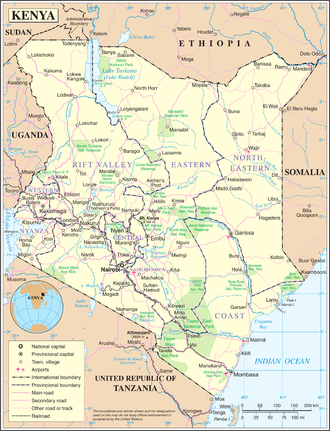
In Kenya, the government supports all public universities. Students join after finishing school with good marks. If they follow certain rules each year, the government helps pay their school fees. Students can also borrow money from a special board and pay it back after they finish their studies.
Nigeria
See also: List of universities in Nigeria
In Nigeria, both the country’s government and state governments can start public universities.
South Africa
See also: List of universities in South Africa
South Africa has 26 public universities. These schools are either traditional or comprehensive universities.
Tunisia
See also: List of universities in Tunisia
In Tunisia, the government manages public universities and ensures students who pass their school exams can join. Students use a website to choose which universities they want to attend, and those with the best results get their top choices. Universities decide based on exam results.
Asia
Bangladesh
See also: List of universities in Bangladesh § Public_universities
Bangladesh has 56 public universities. They are overseen by the University Grants Commission, which was created by the government in 1973.
Brunei
See also: List of universities in Brunei
Most universities in Brunei are public.
China
See also: List of universities in China and Higher education in China
In China, nearly all universities and research institutions are public. Usually, provincial governments run public universities. Some are run by municipal governments or are national, which the central government runs directly. Private undergraduate colleges exist but are mainly vocational colleges supported by private groups. Public universities often have a higher reputation domestically and globally.
Hong Kong
See also: List of universities in Hong Kong
The University Grants Committee funds eight public universities in Hong Kong. The Hong Kong Academy for Performing Arts also gets money from the government. There are four self-financing universities, namely Hong Kong Metropolitan University, Hong Kong Shue Yan University, Hang Seng University of Hong Kong, and Saint Francis University.
India
Further information: List of universities in India
In India, most universities and research institutions are public. Some private undergraduate colleges exist but most are engineering schools linked to public universities. Private schools can get help from national or state governments. India also has an "open" public university, the Indira Gandhi National Open University, which offers distance education.
Indonesia
See also: List of universities in Indonesia
In Indonesia, the government supports public universities in each province. Money comes through the Ministry of Education, Culture, Research, and Technology and the provincial and municipal governments.
Iran
See also: List of universities in Iran
Some public universities in Iran offer programs with and without tuition fees. State-run universities are very selective and competitive.
Israel
See also: List of Israeli universities and colleges
There are ten official universities in Israel, of which nine are public, along with many colleges and foreign university extensions. The Council for Higher Education in Israel oversees all of these institutions. Only a university, not a college, can give doctoral degrees in Israel.
Japan
See also: Higher education in Japan
In Japan, public universities are run by local governments, either prefectural or municipal. Public universities aim to provide higher education opportunities and serve as a base for learning and culture in their areas. They are expected to help with social, economic, and cultural growth.
South Korea
See also: List of national universities in South Korea
In South Korea, most public universities are national. There are 29 national universities, eighteen special universities, and ten educational universities. There are also two national colleges and the Korea National Open University for distance learning. The University of Seoul is a public municipal university.
Kyrgyzstan
See also: List of universities in Kyrgyzstan
Manas University in Kyrgyzstan is a public university offering different levels of degrees.
Macau
See also: List of universities in Macau
The University of Macau, Macao Polytechnic University, and Macao University of Tourism are the public universities in Macau.
Malaysia
See also: List of universities in Malaysia
Malaysia has twenty public universities. They are funded by the government but manage themselves.
Nepal
See also: List of universities in Nepal
Tribhuvan University was the first public university in Nepal. It works through six institutes and is linked to many colleges. There are government-funded Purbanchal University and Pokhara University.
Pakistan
See also: List of universities in Pakistan
Pakistan has 107 public universities and 76 private universities. University of the Punjab is the largest public university, followed by University of Karachi. Public universities get guidance and recognition from the Higher Education Commission.
Philippines
See also: Higher education in the Philippines, State university and college (Philippines), and Local college and university (Philippines)
The Philippines has more than 500 public higher education institutions managed by the Commission on Higher Education. Of these, 436 are state colleges and universities, 31 are local colleges and universities, and some are community colleges. The University of the Philippines is the national university. Other well-known public colleges and universities include the Polytechnic University of the Philippines, Technological University of the Philippines, Philippine Normal University, Batangas State University, and Mindanao State University.
Singapore
See also: List of universities in Singapore
Singapore has six public universities. They are National University of Singapore, Nanyang Technological University, Singapore Management University, Singapore University of Technology and Design, Singapore Institute of Technology and Singapore University of Social Sciences.
Sri Lanka
See also: List of universities in Sri Lanka
Sri Lanka has seventeen public universities. Most are funded by the government through the University Grants Commission. Top schools include the University of Peradeniya and the University of Colombo. There is also a military university, the General Sir John Kotelawala Defence University, run by the Ministry of Defence.
Taiwan
See also: List of universities in Taiwan
One-third of the 150 universities in Taiwan are public. Because the government funds public universities, students there pay less than half the tuition of students at private universities. Ten public universities were established before the 1980s and are the most respected. Most students choose public universities for their studies.
Thailand
See also: List of universities and colleges in Thailand
In the late 1800s, Thailand needed more professionals. In 1899, the King started the School for Training of Civil Officials. As of 2019, Thailand has nineteen public universities.
Vietnam
See also: List of universities in Vietnam
Europe
Austria
See also: List of universities in Austria
In Austria, most universities are public. The government sets the same tuition fees for all of them. Students who pass their final exams can attend any public university. Some busy programs have extra tests to make sure students are ready.
Belgium
See also: List of universities in Belgium
All public universities in Belgium used to be run by the national government. Now, three groups — the Flemish, the French, and the German — decide which schools give out diplomas.
Belgium had two big public universities a long time ago: the University of Liège and Ghent University. Smaller schools joined them later.
Croatia
See also: List of universities in Croatia
The government runs most public universities in Croatia. Good students pay only small fees, around €100 a year. Students who struggle might pay more.
Denmark
See also: List of universities and colleges in Denmark
Almost all universities in Denmark are public, and they are thought very highly of. Students in Denmark do not pay to go to university.
Finland
See also: List of universities in Finland
All universities in Finland are public, and they are free for students.
France
See also: List of universities and colleges in France
Most universities and special schools in France are public. They charge very little — less than €1000 a year. Some private schools cost more.
Germany
See also: List of universities in Germany
Most schools for higher learning in Germany are public and run by local governments. All teachers are government workers. Public universities are usually thought more highly of. They used to be free, but some now charge small fees.
Greece
See also: List of universities in Greece
By law in Greece, universities and other higher learning schools are paid for by the government. Students do not pay for their first degree. Some later degrees might cost something.
Ireland
In Ireland, most universities get money from the government but run themselves. The government pays for most tuition, but students pay a small yearly fee. Some private schools also exist.
Italy
See also: List of universities in Italy
Almost all universities in Italy are public but can make their own rules. The government gives most of the money. Students pay less because of this, but it depends on their family and the subject. Some scholarships help students from families with less money.
Netherlands
See also: List of universities in the Netherlands
The government in the Netherlands pays for most public universities. Students from the Netherlands and the European Union pay around €2000 a year. Students from other countries pay much more.
Norway
See also: List of universities in Norway
Most universities in Norway are public and paid for by the government.
Poland
See also: List of universities in Poland
In Poland, public universities are started by the government and are free for students. Private universities charge fees and are not thought as highly.
Portugal
See also: List of universities and colleges in Portugal
Portugal has thirteen public universities. Students pay tuition, but it is less than at private schools. Public universities are very selective.
Russia
See also: List of institutions of higher learning in Russia
Russia has many universities. Moscow State University, founded in 1755, is the most famous. Saint Petersburg State University is also very well known.
Serbia
In Serbia, most students go to public universities paid for by the government. Good students pay only small fees. Students who struggle might pay more. Private universities exist but are not thought as highly.
Spain
See also: List of universities in Spain
Spain has 74 universities, and 54 are public. The government sets the same low tuition for all public universities. Private universities cost much more.
Public universities in Spain run themselves but must follow government rules. Teachers and leaders have special status and are hard to dismiss.
Sweden
See also: List of universities in Sweden
Most universities in Sweden are public. Education in Sweden is free, so students do not pay tuition.
Turkey
See also: List of universities in Turkey
Turkey has many universities, including 129 that are public. There are also private universities. The system is watched over by a special group.
Ukraine
See also: List of universities in Ukraine and Higher education in Ukraine
After a big change in Ukraine, the number of universities went down, but more students went to school. Taras Shevchenko National University of Kyiv and National University of Kharkiv are two of the most famous.
United Kingdom
See also: Universities in the United Kingdom
In the United Kingdom, the government does not own universities, but many get money from the government. Universities can give out degrees if allowed by the government.
Most universities get money from the government, but some do not. The government can control how much tuition costs for universities that get this money.
Each part of the United Kingdom handles university support differently. Scotland offers free tuition for local students. Wales gives help based on family income. England and Northern Ireland usually have students take out loans to pay tuition.
Pictures
Keep exploring




This article is a child-friendly adaptation of the Wikipedia article on Public university, available under CC BY-SA 4.0.
Images from Wikimedia Commons. Tap any image to view credits and license.