
Social Security Administration
The United States Social Security Administration (SSA) is an independent agency of the U.S. federal government that helps people with important benefits. It gives money to people when they retire, if they become unable to work, or when a family member passes away. The SSA started in 1935 and was first called the "Social Security Board" before changing its name in 1946.
People can get help from the SSA in many ways, including visiting one of its offices, using its website, or calling a special number. These offices were closed for two years because of the COVID-19 pandemic but opened again in April 2022.
The SSA is based in Woodlawn, Maryland, near Baltimore, and has many offices and centers around the country. Many people work for the SSA. In 2022, the SSA gave out money to help millions of people, making it one of the largest government programs in the United States. Most people pay small taxes on their paychecks to help fund these benefits.
History
The Social Security program started with the Social Security Act of 1935, signed by President Franklin D. Roosevelt. This act was part of his New Deal to help people during hard economic times. The first office opened in Austin, Texas in 1936, and the first person to receive monthly retirement benefits was Ida May Fuller from Brattleboro, Vermont.
Over the years, the program changed and grew. It became part of a larger government group in 1939 and was later renamed the Social Security Administration in 1946. In 1994, it became an independent agency again. Changes were made to keep benefits fair as prices changed, and important court decisions helped shape how the program works.
Historical leadership
The Social Security Administration has had leaders who helped manage its work over the years.
| No. | Image | Name | Start | End | President | ||
|---|---|---|---|---|---|---|---|
1 |  | John Winant | August 23, 1935 | September 30, 1936 | Franklin D. Roosevelt (1933–1945) | ||
– |  | Arthur Altmeyer Acting | September 30, 1936 | November 16, 1936 | |||
1 | | John Winant | November 16, 1936 | February 19, 1937 | |||
2 | | Arthur Altmeyer | February 19, 1937 | July 16, 1946 | |||
| Harry S. Truman (1945–1953) | |||||||
| No. | Image | Name | Start | End | President | ||
|---|---|---|---|---|---|---|---|
1 | | Arthur Altmeyer | July 16, 1946 | April 10, 1953 | Harry S. Truman (1945–1953) | ||
| Dwight D. Eisenhower (1953–1961) | |||||||
– |  | William Mitchell Acting | April 11, 1953 | November 23, 1953 | |||
2 |  | John Tramburg | November 24, 1953 | July 31, 1954 | |||
3 |  | Charles Schottland | August 23, 1954 | December 31, 1958 | |||
4 | | William Mitchell | February 4, 1959 | April 3, 1962 | |||
| John F. Kennedy (1961–1963) | |||||||
5 |  | Bob Ball | April 17, 1962 | March 17, 1973 | |||
| Lyndon B. Johnson (1963–1969) | |||||||
| Richard Nixon (1969–1974) | |||||||
– |  | Arthur Hess Acting | March 18, 1973 | October 24, 1973 | |||
6 |  | James Cardwell | October 25, 1973 | December 12, 1977 | |||
| Gerald Ford (1974–1977) | |||||||
| Jimmy Carter (1977–1981) | |||||||
– | Don Wortman Acting | December 13, 1977 | October 4, 1978 | ||||
7 |  | Stanford Ross | October 5, 1978 | December 31, 1979 | |||
– | Herb Doggette Acting | January 1, 1980 | January 2, 1980 | ||||
8 |  | William Driver | January 3, 1980 | January 19, 1981 | |||
– | Herb Doggette Acting | January 20, 1981 | May 5, 1981 | Ronald Reagan (1981–1989) | |||
9 |  | John Svahn | May 6, 1981 | September 12, 1983 | |||
– |  | Martha McSteen Acting | September 14, 1983 | June 25, 1986 | |||
10 |  | Dorcas Hardy | June 26, 1986 | July 31, 1989 | |||
| George H. W. Bush (1989–1993) | |||||||
11 |  | Gwendolyn King | August 1, 1989 | September 30, 1992 | |||
– |  | Lou Enoff Acting | October 1, 1992 | July 18, 1993 | |||
| Bill Clinton (1993–2001) | |||||||
– |  | Lawrence Thompson Acting | July 19, 1993 | October 7, 1993 | |||
12 |  | Shirley Chater | October 8, 1993 | February 28, 1997 | |||
– | John Callahan Acting | March 1, 1997 | September 28, 1997 | ||||
13 | 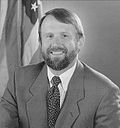 | Ken Apfel | September 29, 1997 | January 20, 2001 | |||
– | 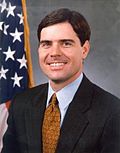 | Bill Halter Acting | January 21, 2001 | March 28, 2001 | George W. Bush (2001–2009) | ||
– |  | Larry Massanari Acting | March 29, 2001 | November 9, 2001 | |||
14 |  | Jo Anne Barnhart | November 9, 2001 | January 19, 2007 | |||
– |  | Linda S. McMahon Acting | January 20, 2007 | February 11, 2007 | |||
15 |  | Michael Astrue | February 12, 2007 | January 19, 2013 | |||
| Barack Obama (2009–2017) | |||||||
– |  | Carolyn Colvin Acting | January 19, 2013 | January 20, 2017 | |||
– | Nancy Berryhill Acting | January 21, 2017 | June 17, 2019 | Donald Trump (2017–2021) | |||
16 |  | Andrew Saul | June 17, 2019 | July 9, 2021 | |||
| Joe Biden (2021–2025) | |||||||
– |  | Kilolo Kijakazi Acting | July 9, 2021 | December 20, 2023 | |||
17 |  | Martin O'Malley | December 20, 2023 | November 29, 2024 | |||
– |  | Carolyn Colvin Acting | November 30, 2024 | January 20, 2025 | |||
– |  | Michelle King Acting | January 20, 2025 | February 16, 2025 | Donald Trump (2025–present) | ||
– |  | Leland Dudek Acting | February 16, 2025 | May 7, 2025 | |||
18 |  | Frank Bisignano | May 7, 2025 | Incumbent | |||
Headquarters
The Social Security Administration was one of the first federal agencies to have its main office outside of Washington, D.C.. It started in Baltimore because they needed a big building to hold many important papers. They used a building called the Candler Building near the city's harbor. Later, they planned to build a permanent office in Washington, but World War II started, and the new building was used for the war instead. After the war, moving the office again would have caused too many problems, so the agency stayed in Baltimore until 1960. That's when they moved to a new headquarters in a place called Woodlawn.
The main road to the headquarters is called Security Boulevard (Maryland Route 122). This road connects Baltimore to areas further west. There's also a nearby shopping area called Security Square Mall, and the area is sometimes called "Security." Because the office needed more space, many workers now have offices in different places around Woodlawn. Some parts of the agency have offices in other cities, like Falls Church, Virginia.
Field offices
The Social Security Administration has over 1,200 local offices where people can go to apply for benefits, get a new Social Security card, or get other help. These offices were closed for two years because of the COVID-19 pandemic but reopened in April 2022.
People can find phone numbers and addresses of these offices using a locator service. There is also a national toll-free number (1-800-772-1213) and a website where people can apply for retirement and disability benefits online. For survivor benefits, people need to call or visit an office in person. In most states, people can also apply online for a replacement Social Security card. People can apply for Supplemental Security Income at these offices, and staff can also help with applications for food assistance through the SNAP program.
Program Service Centers
Many tasks about starting or changing Social Security benefits happen in six big centers across the United States.
These centers have two main jobs. One group helps people start getting benefits. Another group handles changes for people who already get benefits, like life events or payment mistakes.
The six centers are located in:
- Jamaica, Queens, New York
- Philadelphia, Pennsylvania
- Birmingham, Alabama
- Chicago, Illinois
- Kansas City, Missouri
- Richmond, California
These centers have been in these cities since the 1950s. They started as Area Offices in 1942, with the first one in Philadelphia.
Coverage
Only about half of the jobs in the United States were covered by Social Security at first. Today, almost everyone who works for pay is covered.
Some workers, like certain government employees and railroad workers, have their own retirement systems instead of Social Security. But many of these workers can still use Medicare.
The Social Security Administration (SSA) manages programs that give money to people who are retired, disabled, or who lost a family member. In 2010, over 54 million people got benefits from these programs. These benefits are paid for by taxes from employers, employees, and self-employed people. The money is kept in a special fund.
SSA also runs the Supplemental Security Income (SSI) program, which helps people who are aged, blind, or disabled and have very little money or resources. Before 1972, these benefits were handled by each state, but now SSA manages them. In 2019, 8 million people received SSI benefits.
SSA helps decide who qualifies for Medicare and also runs a program called Extra Help, which helps people pay for Medicare prescription drug coverage.
Operations
The Social Security Administration (SSA) uses a book called the Program Operations Manual System (POMS) to help workers do their jobs well. This book explains the rules for many tasks.
The SSA has a special way to handle disagreements about benefits. Special judges and lawyers review these cases and help solve problems.
Each year, before Mother's Day, the SSA shares a list of the most common baby names in the United States. This list comes from the names people use when applying for Social Security cards for their babies. The SSA website lets people see these popular names from past years. For privacy, the SSA does not share names that are used by fewer than five babies in a year.
Keep exploring


This article is a child-friendly adaptation of the Wikipedia article on Social Security Administration, available under CC BY-SA 4.0.
Images from Wikimedia Commons. Tap any image to view credits and license.