 Safekipedia
Antibiotic
Adapted from Wikipedia · Discoverer experience
An antibiotic is a special kind of medicine used to treat infections caused by bacteria. These tiny living things can make people very sick, and antibiotics help stop them from growing or even kill them altogether. Doctors use antibiotic medications to fight many kinds of bacterial infections, whether they are making someone feel a little unwell or very ill. They also help prevent infections from getting worse or spreading.
Antibiotics work in different ways, but their main job is to either stop bacteria from growing or destroy them completely. Some antibiotics can also fight certain other tiny organisms called protozoa, but they do not work against viruses like those that cause the common cold or influenza. For viral infections, doctors use a different kind of medicine called antiviral drugs. Similarly, antibiotics are not helpful against fungi; for those, special antifungal drugs are used instead.
The word “antibiotic” comes from ancient Greek, meaning “against life.” True antibiotics, like penicillin, are usually made naturally by one microorganism that fights off another. There are also man-made medicines called antibacterials, such as sulfonamides and antiseptics, which work in a similar way but are not natural antibiotics. Both kinds are very important in medicine and sometimes even in livestock feed to keep animals healthy.
Early history
The earliest known use of antibiotics dates back to ancient Sudan, where people lived between 350–550 CE and regularly consumed substances that fought bacteria. Studies of Nubian skeletons revealed high levels of tetracycline, a strong antibiotic, suggesting they made drinks from grains fermented with a special type of bacteria called Streptomyces.
Later, other ancient cultures like Egypt, China, Serbia, Greece, and Rome used moldy bread to treat infections. In the 20th century, huge advances happened when Alexander Fleming discovered penicillin in 1928, which became very important, especially during wars. However, antibiotics must be used carefully, because some bacteria have learned to resist them.
Etymology
The word "antibiotic" comes from two parts: anti, meaning "against", and biotic, related to life. It was first used in 1942 by a scientist named Selman Waksman to describe substances that stop the growth of harmful tiny living things called bacteria.
Earlier, in 1877, scientists Louis Pasteur and Robert Koch noticed that some bacteria could stop others from growing. Later, Selman Waksman gave these special substances the name "antibiotics" in 1947. Today, "antibiotic" means any medicine that can kill or stop the growth of bacteria, no matter where it comes from.
Usage
Antibiotics are important medicines used to treat or prevent infections caused by bacteria. They can help when a doctor thinks an infection might be making someone sick but hasn’t figured out exactly which germ is causing it. In these cases, doctors might use a broad-spectrum antibiotic until they get test results.
When doctors know which germ is causing an infection, they can choose a more specific antibiotic. This helps make treatment safer and less likely to lead to antibiotic resistance. Antibiotics are also used to prevent infections in people who are more likely to get sick, such as those with weakened immune systems, cancer patients, or people having surgery. They can be taken in different ways, such as pills, liquids, or even drops for the eyes or ears, depending on where the infection is.
Side effects
Antibiotics are generally safe, but some can cause side effects that range from mild to serious. Common issues include diarrhea due to changes in gut bacteria and yeast infections, which can happen when the balance of bacteria in the body is disturbed.
More serious reactions can occur, such as allergic responses, and some antibiotics may interact with other medicines. Taking probiotics can help prevent certain types of diarrhea caused by antibiotics.
Interactions
Antibiotics can sometimes affect other medicines or substances you might be using. For example, most antibiotics do not interfere with birth control pills, but some situations like missing doses, vomiting, or diarrhea could increase the chance of the pills not working well. Women with irregular periods should use backup contraception during and after taking antibiotics.
Drinking alcohol with certain antibiotics can cause unpleasant side effects. Antibiotics like metronidazole and erythromycin can make you feel very sick if you drink alcohol while using them. It’s best to check with a healthcare provider about drinking alcohol while taking any antibiotic.
Pharmacodynamics
Main article: Antimicrobial pharmacodynamics
Antibiotics work in different ways to fight infections, depending on factors like the body's defenses and where the infection is located. Some antibiotics kill bacteria directly, while others stop them from growing. Doctors often study how well an antibiotic works in a lab before using it in patients.
Using more than one antibiotic at the same time, called combination therapy, can help treat tough infections like tuberculosis. This approach can prevent bacteria from becoming resistant to treatment and can make the antibiotics work better together. For example, some infections are treated with a mix of two drugs to ensure at least one works against the bacteria causing the illness. However, sometimes mixing antibiotics can make them less effective, so doctors choose combinations carefully.
Classes
Main article: List of antibiotics
Antibiotics are grouped based on how they work, their chemical makeup, or the types of bacteria they affect. Some antibiotics target the bacterial cell wall, like penicillins and cephalosporins, while others affect the cell membrane, such as polymyxins. These can kill bacteria directly. Another group stops bacteria from growing by interfering with their protein production, including macrolides and tetracyclines. Some antibiotics work against only certain bacteria, while others, called broad-spectrum antibiotics, work against many types. In recent years, new classes of antibiotics have been developed to help fight tough infections.
Production
Main article: Production of antibiotics
Modern antibiotics are often made by changing natural compounds. For example, beta-lactam antibiotics like penicillins, which come from fungi called Penicillium, are very common. Other antibiotics, such as aminoglycosides, are taken directly from living organisms. Scientists have been working hard since the 1930s to make these important medicines in large amounts, using special processes to grow the compounds in aerobic (oxygen-loving) conditions.
Resistance
Main article: Antimicrobial resistance
Antimicrobial resistance (AMR or AR) is a natural process that happens when bacteria change in ways that let them survive treatments with antibiotics. This resistance is mainly caused when antibiotics are used too much or incorrectly. Because of this, many kinds of bacteria are now harder to treat, and this is a big problem for health all around the world.
When people take antibiotics, some bacteria can survive because they change in a way that protects them. Over time, these surviving bacteria can multiply and become stronger. This makes the antibiotics less effective. For example, some bacteria can now resist drugs that used to work very well. This change can happen in different ways, such as sharing tiny pieces of DNA that carry resistance instructions. Because of these changes, diseases that were once easy to treat are becoming harder to cure.
History
Main article: Timeline of antibiotics
Before the early 20th century, people used mixtures from plants and molds to try to treat infections. Ancient cultures like the ancient Egyptians and ancient Greeks used special molds and plants for this purpose.
The modern use of antibiotics began with the discovery of synthetic antibiotics from dyes. In the late 1880s, Paul Ehrlich in Germany suggested that certain dyes could selectively target and kill bacteria without harming human cells. In 1907, he and his team discovered the first synthetic antibacterial drug called salvarsan, which was used to treat syphilis.
Later, in the 1920s and 1930s, researchers discovered natural antibiotics. In 1928, Alexander Fleming noticed that a mold called Penicillium rubens could kill bacteria. This led to the development of penicillin, which became widely used after World War II. These discoveries marked the beginning of modern antibiotic medicine.
Antibiotic pipeline
The World Health Organization and the Infectious Disease Society of America say that we need more new antibiotics because bacteria are becoming better at resisting existing ones. Only a few new antibiotics have been approved recently, and they do not cover all types of resistant bacteria.
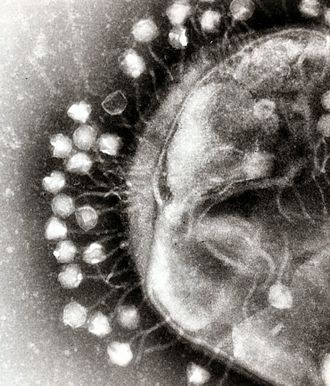
Scientists are working on several new ways to fight bacterial infections, including using natural products from plants and animals, special antibodies, and even viruses called bacteriophages that target specific bacteria. These approaches aim to treat infections that current antibiotics cannot handle.
Images
Related articles



This article is a child-friendly adaptation of the Wikipedia article on Antibiotic, available under CC BY-SA 4.0.
Images from Wikimedia Commons. Tap any image to view credits and license.