 Safekipedia
Brackish water
Adapted from Wikipedia · Discoverer experience
Brackish water is a special kind of water that is saltier than freshwater but not as salty as seawater. It often happens when seawater and freshwater mix together, like in places called estuaries. Sometimes it can also be found underground in old water pockets called fossil aquifers.
The word "brackish" comes from an old Dutch word. People can sometimes make brackish water when they build things like dikes or flood areas near the coast for farming freshwater prawns. This kind of water can be a problem for plants that are used to regular land because it is not good for them to grow in.
Brackish water has a certain amount of salt in it—usually between 0.5 and 30 grams of salt in every litre of water. If the water has more than 30 parts of salt in a thousand parts of water, it is considered saline instead of brackish. Because the amount of salt can change a lot in different places or at different times, brackish water can be quite different depending on where you find it.
Brackish water habitats
Estuaries
Brackish water happens when fresh water mixes with seawater. The biggest places where this occurs are called estuaries, where rivers meet the sea.
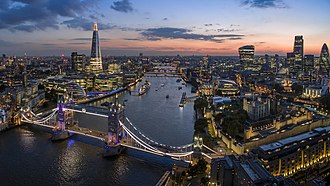
The River Thames in London is a good example. Near Teddington, the river is still fresh, with fish like roach, dace, carp, perch, and pike. As you move east toward Gravesend, the water becomes brackish, and you see more sea fish like flounder, European seabass, mullet, and smelt. Further east, near Gravesend, the water is full seawater, and the fish are like those in the North Sea.
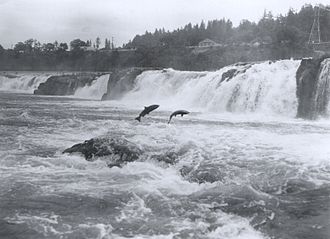
Estuaries are important for fish that travel between rivers and the sea, like salmon and eels. They also help young fish grow before they move out. Herring and plaice are important fish that use estuaries. People also use estuaries for fishing and fish farming, but this can sometimes cause problems for wild fish.
Mangroves
Main article: Mangrove
Another important brackish water place is the mangrove swamp. Many mangrove swamps are near estuaries and lagoons where the salt level changes with the tides. Special fish like mudskippers, which walk on land, and archerfish, which shoot water at insects, live here. Mangroves are important for many fish and animals, like snappers, halfbeaks, tarpon, saltwater crocodiles, and birds like herons and kingfishers.
Even though mangroves can have many insects, they help protect land from big storms and waves.
The Sundarbans and Bhitarkanika Mangroves are two big mangrove areas near the Bay of Bengal.
Brackish seas and lakes
See also: Salt lake
Some seas and lakes have brackish water. The Baltic Sea is a brackish sea next to the North Sea. It has fresh water on top and seawater deeper down. Fish like cod live deep down, while pike stay near the surface.
The Caspian Sea is the world’s biggest lake and has brackish water. It is home to special animals like the Caspian seal and large sturgeons, which give us caviar.
Hudson Bay is a brackish part of the Arctic Ocean. It stays brackish because it has lots of fresh water running into it and is covered in ice much of the year.
The Black Sea’s surface water is brackish, with deeper water coming from the Mediterranean.
Lake Texoma, on the border of Texas and Oklahoma, is a brackish lake made by damming the Red River. It has fish like striped bass that usually live in salt water.
Brackish marsh
Main article: Brackish marsh
Brackish marshes come from salt marshes where fresh water mixes in, making the water less salty. This often happens where rivers meet the sea.
Other brackish bodies of water
- Anchialine pool – Landlocked body of water with underground connection to the sea
Human uses
People use brackish water in many ways. It helps cool power plants and is used in mining, oil, and gas work. After cleaning it, we can use it for growing plants, helping animals, and even for towns to drink. There are special ways to clean brackish water, like using reverse osmosis and electrodialysis.
Related articles



This article is a child-friendly adaptation of the Wikipedia article on Brackish water, available under CC BY-SA 4.0.
Images from Wikimedia Commons. Tap any image to view credits and license.