
Civil and political rights
Civil and political rights are important protections that help keep people safe and allow them to take part in their communities and governments. These rights stop governments, groups, and other people from unfairly treating individuals. They make sure everyone can live their lives with dignity and fairness.
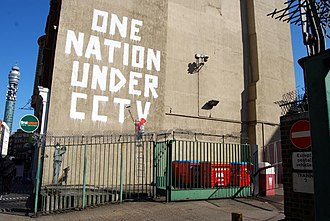
Civil rights include the right to be safe, free from discrimination, and have privacy. People also have the freedom to think, speak, practice their religion, write, gather with others, and move around without unnecessary stops.
Political rights are about fairness in the law and the chance to be involved in society and government. This means the right to a fair trial, to get help from the courts if needed, and to join groups, meet together, speak up to leaders, defend oneself, and vote in elections. When a country protects these rights well, people usually feel happier and more trusted in their government. These rights are the first part of international human rights, starting with the 1948 Universal Declaration of Human Rights.
History
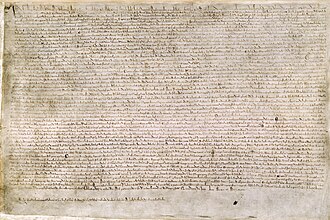
The idea of "civil rights" comes from ancient Roman law, where citizens had certain protections. Over time, these ideas evolved, especially in England, leading to important documents like the English Bill of Rights. In the United States, the term became well known during the civil rights movement in the 1950s and 1960s, when people worked to end racism and unfair laws.
Today, civil rights also include fighting for equal treatment for everyone, no matter who they are. This includes protecting the rights of LGBTQ+ individuals and addressing issues like unfair treatment by police. These efforts aim to make sure all people are treated with respect and fairness.
Protection of rights
Civil and political rights are important freedoms that protect people from unfair treatment by governments and others. They were among the first rights to be recognized and written down, often in special documents called constitutional rights or a bill of rights. These rights are also included in international agreements like the 1948 Universal Declaration of Human Rights and the 1966 International Covenant on Civil and Political Rights.
Most democracies have written guarantees to protect these rights, which are seen as natural rights that everyone should have. These rights apply to all people, not just citizens, and include protections for racial, ethnic, tribal, and religious groups. Ensuring these rights helps keep peace and prevent political unrest.
Other rights
Custom and implied rights also matter. Sometimes, courts find rights that aren’t clearly written down in laws. For example, the right to privacy in the United States is one such right.
The United States Declaration of Independence says that everyone has important rights like life, liberty, and the pursuit of happiness. Some people believe that the main job of government is to protect these rights. Others think we should have the freedom to choose what we eat, the medicine we use, and our own habits.
Social movements for civil rights
Main article: Civil rights movements
Civil rights guarantee that everyone is treated equally under the law. When these rights are not respected, people may work together to demand change through peaceful protests and legal actions.
In the United States, the women's movement began in 1848 with the Declaration of Rights and Sentiments. In the mid-20th century, many countries saw movements fighting for equality. For example, the civil rights movement in the United States worked to protect the rights of Black citizens, while groups in Northern Ireland and several Communist countries also pushed for better rights and fairer laws. Most of these movements used peaceful methods to reach their goals.
Problems and analysis
Questions often arise about civil and political rights, such as how much the government should help protect people from having their rights broken by other individuals or big companies. For example, it’s important to think about how to handle things like employment discrimination in the private sector.
Many smart people have thought deeply about these rights. Famous thinkers like Robert Nozick and John Rawls shared different ideas in their books, Anarchy, State, and Utopia and A Theory of Justice. Other important writers on this topic include Wesley Newcomb Hohfeld and Jean Edward Smith.
Political theory helps us understand these important rights better.
First-generation rights
First-generation rights, also known as "blue" rights, focus on liberty and participation in political life. These rights protect individuals from excessive government power and include important freedoms such as freedom of speech, the right to a fair trial, freedom of religion, freedom from discrimination, and voting rights. They originated during the Age of Enlightenment and were influenced by major historical documents like the English Bill of Rights, the Declaration of the Rights of Man and of the Citizen, and the United States Bill of Rights.
These rights were later recognized globally through international agreements, starting with the 1948 Universal Declaration of Human Rights and the 1966 International Covenant on Civil and Political Rights. In Europe, they were protected by the European Convention on Human Rights in 1953.
Civil and political rights organizations
There are organizations that work to protect people's civil and political rights. The ACLU, started in 1920, helps keep freedom of speech safe. The NAACP, started in 1909, focuses on protecting the rights of minorities. These groups work for different causes to support people's rights.
Keep exploring


This article is a child-friendly adaptation of the Wikipedia article on Civil and political rights, available under CC BY-SA 4.0.
Images from Wikimedia Commons. Tap any image to view credits and license.