 Safekipedia
Distraction display
Adapted from Wikipedia · Discoverer experience
Distraction displays, also known as diversionary displays or paratrepsis, are special behaviors animals use to protect their young or nests. These displays work by drawing the attention of a possible threat away from what is being protected. They are a type of anti-predator behavior and are often used by parent animals to keep their babies safe.
These behaviors have been studied most in birds, but they have also been seen in stickleback fish and some mammals. One common way animals use distraction displays is by pretending to be injured. This can make a predator think the animal is easy prey and follow it instead of going after the nest or young.
Animals might also copy the actions of small rodents or other prey to confuse the predator. They can pretend to be brooding, forage away from the nest, or simply draw attention to themselves to protect their young. These clever tricks help keep the nest and babies safe when danger is near.
Evolution
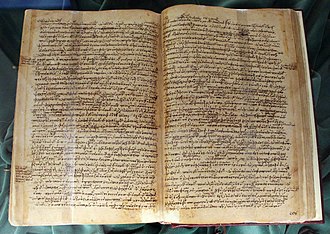
The behavior of distraction displays was first described by Aristotle in his History of Animals.
David Lack thought that these displays were just a reaction to being startled and had no real purpose to trick danger away. He watched a European nightjar lead him around but not really try to pull him away from the nest. He also saw courtship displays mixed in, suggesting these displays might not be a planned action.
Other scientists, like Edward Allworthy Armstrong, disagreed. They thought the birds were trying to protect their young, even if sometimes they made mistakes. They also believed that mixing in other behaviors might actually make the display more noticeable to danger. Studies with lapwings showed they could tell different types of dangers apart, perhaps by learning from others.
Armstrong noticed that showing birds were rarely caught, suggesting they had some control over their actions. For example, some birds seemed to choose paths when moving away and sometimes even moved toward the danger while showing. One idea is that these mixed behaviors happen when the bird feels two strong urges at once, like wanting to guard the young and wanting to trick danger away.
Distraction displays seem to work best when the nest isn’t well hidden, like on the ground or in open areas. In these spots, parents can start showing before danger gets too close. Ground-nesting birds have a harder time hiding, so they use these displays more often. Some birds that normally nest in trees have been seen dropping to the ground to show when disturbed. These displays work best when birds nest alone and when danger hunts during the day, since visual displays are easier to notice.
In birds
Distraction display is most often seen in birds. Many bird types use it, such as passerines and non-passerines, especially in the group called Charadriiformes.
One common way birds distract danger is by pretending to be hurt. For example, in a broken-wing display, a bird walks away from its nest, shaking its wings to look like an easy catch for a predator. This is well known in birds like waders and plovers, but also seen in snowy owls, the alpine accentor, and the mourning dove. Another type is the impeded flight display, where the bird flies in a way that suggests an injured wing.
Plovers also use a method called false brooding. The bird moves away from its nest and sits on the ground, pretending to guard a nest that isn’t there. This lets the predator come closer before the bird flies away. Some birds, including plovers and certain passerines, use a rodent run. Here, the bird fluffs up its feathers, crouches low, and runs away, looking like a small rodent trying to escape.
Sometimes, birds mix in other behaviors, like gaping by the Caprimulgidae or spreading their wings like the killdeer. These actions might make the bird more noticeable, helping the distraction work better.
In fish
Stickleback fish also use distraction displays to protect their young. When a male three-spined stickleback sees others near his nest, he may dig or point away from the nest. This helps keep his eggs safe from being eaten. Scientists have two ideas about why he does this. One idea is that this behavior started from a courtship action where he points females toward his nest so they can lay eggs. The other idea is that this behavior is like pretend-foraging, and all groups react the same way, which suggests it is not about courtship.
In mammals
Though not often seen in mammals, some examples of distraction displays have been recorded. A female red squirrel was seen trying to protect her babies by making sounds that seemed like the babies were calling, to draw a person away. In another case, a male Mentawai langur made loud calls and jumped on branches to distract danger while the females and young hid quietly.
Costs and decision to display
Further information: Signalling theory
Animals that use distraction displays face some dangers. Sometimes, a second predator might notice the display and attack the animal showing it. Also, some predators have learned that these displays mean there is a nest nearby. For example, a red fox once noticed a grouse’s distraction display and found and attacked the grouse’s young.
Because of these risks, animals must decide when to use distraction displays. Several things affect this decision. The closer a predator is to the nest, the more intense the display tends to be. Birds also show stronger displays to ground-dwelling animals than to humans or flying predators. The number of predators nearby can influence stickleback fish as well.
Having another parent nearby can make the display more intense, possibly because the risk is shared. The number of other animals that might help also plays a role. The age of the young can affect when displays happen most often. Some birds show displays more right after hatching, while others do so just before their young can fly. This might be when the young need the most protection.
Game theory helps explain how some birds decide whether to display based on the number of experienced predators in the area. For example, grouse might choose not to display if there are more experienced predators around.
Images
Related articles


This article is a child-friendly adaptation of the Wikipedia article on Distraction display, available under CC BY-SA 4.0.
Images from Wikimedia Commons. Tap any image to view credits and license.