 Safekipedia
Energy industry
Adapted from Wikipedia · Discoverer experience
The energy industry refers to all of the industries involved in the production and sale of energy, including fuel extraction, manufacturing, refining and distribution. Modern society consumes large amounts of fuel, and the energy industry is a crucial part of the infrastructure and maintenance of society in almost all countries.
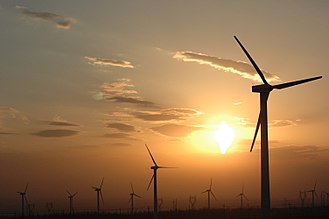
The energy industry includes many different areas. There are the fossil fuel industries, which involve petroleum industries like oil companies and petroleum refiners, as well as coal industries and natural gas industries. It also includes the electrical power industry for electricity generation and electric power distribution. There is also the nuclear power industry, the renewable energy industry for hydroelectric power, wind power, and solar power, and even the traditional use of firewood in poorer countries.
Because many parts of the world depended heavily on fossil fuels during the 20th century, the energy industry has often caused pollution and environmental problems. This reliance on carbon-emitting energy sources has contributed to global warming and air pollution. As a result, many places are now working harder to use sustainable energy and other cleaner energy sources to protect the environment.
History
The use of energy has helped humans shape and adapt to their environment. Managing energy is important for any society. In industrialized places, energy is needed for farming, moving things, collecting waste, and technology for information and communication.
Since the Industrial Revolution, using more energy has caused problems like global warming. Energy resources such as fuels, petroleum, and electricity can be used in many ways. Even though energy can be reused, the resources themselves often change into forms we can’t use, like extra heat.
Humans have always found ways to use energy from nature. Early people used fire to cook, and later inventions like gas burners and microwave ovens showed new ways to use energy. This pattern continues in all areas of life, from building structures to making clothes, to moving people and goods.
Economics
Main article: Energy economics
The production and consumption of energy are very important for the world’s economy. Every part of our economy, like making things, moving people and goods, and running machines, needs energy.
Because so many people and businesses need energy, many companies compete to provide it. This creates special markets where energy is sold. The energy industry also makes up a big part of special types of loans and bonds used by businesses.
Management
Main article: Energy demand management
Because energy costs a lot and is important for how our world works, managing energy wisely is very important. Energy management means using our energy better, spending less extra money. We can save energy by using it more carefully and not wasting it, matching what we need with what we have. This helps us use energy smarter by being aware of how we use it and saving energy where we can.
Classifications
The United Nations created a system called the International Standard Industrial Classification to organize economic activities. This system doesn’t have a special group just for the energy industry because it focuses on activities, products, and spending purposes.
In North America, countries use the North American Industry Classification System (NAICS). Sectors No. 21 and No. 22, which cover mining and utilities, help define the energy industry there. This system is used by the U.S. Securities and Exchange Commission.
In financial markets, the Global Industry Classification Standard used by Morgan Stanley groups the energy industry into companies that work with oil, gas, coal, and other fuels, but not with certain industrial gases. Dow Jones Industrial Average
Environmental impact
Main article: Environmental impact of the energy industry
The energy industry has a big effect on the environment. When we use energy, like turning on a light, it often comes from power plants that burn coal, oil, or natural gas. This creates pollution, including gases that warm the planet and make the Earth hotter. This warming is called global warming.
But there are ways to make energy cleaner. Using renewable energy like solar power, wind power, and hydroelectric power helps reduce pollution. Saving energy and using it wisely also makes a big difference. Better technology can make power plants work more efficiently and reduce harmful effects on our world.
Politics
Energy is very important for industries and everyday life, so who controls energy resources often becomes a big topic in politics. Governments try to decide how energy is shared and priced within their countries. They also make rules about how people and businesses use energy to help protect the environment.
One big political debate happened around the time of the Iraq Wars. Some people believed that controlling energy resources was a hidden reason for these conflicts, while others thought it was more about money and economics.
Policy
Main article: Energy policy
Energy policy is how governments decide to handle energy. This includes making laws, signing treaties, giving incentives for investment, encouraging energy conservation, and using taxes to guide how energy is used.
Security
Main article: Energy security
Energy security is about making sure countries have enough energy to run their economies. Because energy resources are not evenly spread out, some countries face risks like political instability, attacks on energy supplies, or accidents. With limited supplies of oil and gas, many countries are looking more toward sustainable energy sources like solar, wind, and hydroelectric power to protect their energy future.
Development
Main article: Energy development
Creating energy to meet our needs is very important, and many people work hard to improve how we make and use energy. A big focus is on making more electricity and oil, but scientists are also looking for new ways to get energy from things around us. One idea is to make hydrogen fuel from water, which is good for the environment but needs special tools that aren’t very good yet. Researchers are trying to find better ways to do this.
We are also finding new uses for older energy sources. For example, ways to change coal into gas or liquid fuel are becoming popular because oil might not last forever if we keep using it the way we do. There is also a lot of research happening all over the world on energy. Places like the UK Energy Research Centre and many programs in the European Union are studying better energy ways.
Transportation
All societies need to move materials and food over long distances, which requires energy to overcome friction. This makes energy sources very valuable.
Energy resources are often found far from where they are used, so moving them is very important. Liquid or gaseous fuels can be moved using tankers or pipelines, while electricity needs a network of grid cables. Moving energy, whether by tanker, pipeline, or transmission line, presents challenges for scientists, engineers, policymakers, and economists to make it safer and more efficient.
Crisis
Main article: Energy crisis
Sometimes, when there are big problems in the world, like money issues or political trouble, it can cause an energy crisis. This means there isn’t enough energy, like oil, for everyone to use. There were big energy problems in 1973 and 1979, and in the future, we might face another one when the world runs out of oil faster than we can find more. This is called peak oil.
Mergers and acquisitions
From 1985 to 2018, there were about 69,932 big business deals in the energy world, worth around US$9,578 billion in total. The year with the most deals was 2010, with about 3,761 deals. The year with the most money spent was 2007, with US$684 billion, but this dropped sharply by 2009.
Here are the top 10 biggest deals ever made in the energy industry:
| Date Announced | Acquiror Name | Acquiror Mid Industry | Acquiror Nation | Target Name | Target Mid Industry | Target Nation | Value of Transaction ($mil) |
|---|---|---|---|---|---|---|---|
| 12/01/1998 | Exxon Corp | Oil & Gas | United States | Mobil Corp | Oil & Gas | United States | 78,945.79 |
| 10/28/2004 | Royal Dutch Petroleum Co | Oil & Gas | Netherlands | Shell Transport & Trading Co | Oil & Gas | United Kingdom | 74,558.58 |
| 04/08/2015 | Royal Dutch Shell PLC | Petrochemicals | Netherlands | BG Group PLC | Oil & Gas | United Kingdom | 69,445.02 |
| 02/25/2006 | Gaz de France SA | Oil & Gas | France | Suez SA | Power | France | 60,856.45 |
| 07/05/1999 | Total Fina SA | Oil & Gas | France | Elf Aquitaine | Oil & Gas | France | 50,070.05 |
| 08/11/1998 | British Petroleum Co PLC | Oil & Gas | United Kingdom | Amoco Corp | Oil & Gas | United States | 48,174.09 |
| 09/01/2010 | Petrobras | Oil & Gas | Brazil | Brazil-Oil & Gas Blocks | Oil & Gas | Brazil | 42,877.03 |
| 10/16/2000 | Chevron Corp | Petrochemicals | United States | Texaco Inc | Petrochemicals | United States | 42,872.30 |
| 06/20/2000 | Vivendi SA | Water and Waste Management | France | Seagram Co Ltd | Motion Pictures / Audio Visual | Canada | 40,428.19 |
| 12/14/2009 | Exxon Mobil Corp | Petrochemicals | United States | XTO Energy Inc | Oil & Gas | United States | 40,298.14 |
Related articles



This article is a child-friendly adaptation of the Wikipedia article on Energy industry, available under CC BY-SA 4.0.
Images from Wikimedia Commons. Tap any image to view credits and license.