
Hepatitis B virus
The Hepatitis B virus (HBV) is a type of virus that can make people very sick. It is a special kind of virus called a partially double-stranded DNA virus. This means it is made of genetic material called DNA, which helps it copy itself inside our bodies.
HBV belongs to a group of viruses known as the genus Orthohepadnavirus and is part of the Hepadnaviridae family. This family includes viruses that can affect the liver in animals and humans.
When this virus infects a person, it causes a disease called hepatitis B. This disease can lead to serious health problems, especially if it is not treated properly. Understanding HBV helps doctors and scientists find ways to prevent and cure it.
Classification
Hepatitis B virus belongs to a group called Orthohepadnavirus. This group is part of a larger family of viruses known as Hepadnaviridae, which includes a few other groups like Avihepadnavirus. This family is the only member of an order called Blubervirales.
Viruses similar to hepatitis B have been found in many types of primates, including apes like orangutans, gibbons, bonobos, gorillas, and chimpanzees, as well as Old World and New World monkeys. These findings suggest that the virus has been around in primates for a very long time. The virus can be grouped in different ways based on certain features and genetic makeup, which helps scientists study how it spreads and causes illness.
Morphology
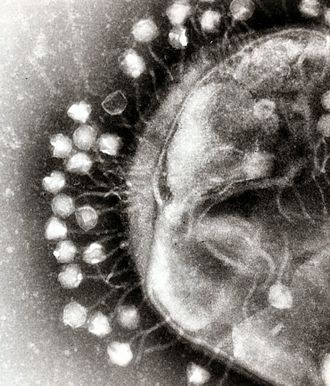
The Hepatitis B virus is part of the Hepadnavirus family. The virus looks like a small ball with a lipid outer layer and a protein core inside. This core holds the virus’s DNA and a special enzyme.
The outer layer has proteins that help the virus attach to and enter cells. The virus is very small, measuring 42 nanometers in diameter, but it can also appear in different shapes. These other shapes don’t contain the virus’s genetic material and cannot cause infection. They are made of proteins and lipids from the virus’s surface, known as the surface antigen.
Evolution
The early history of the Hepatitis B virus (HBV) is hard to trace, much like other viruses. We know that similar viruses have existed in many animals for a very long time. Evidence shows these viruses have been in birds for at least 70 million years. It seems they may have also been in the ancestors of both birds and mammals over 300 million years ago.
Recently, scientists have looked at very old human remains to study HBV’s history in people. In 2021, a study found that HBV has been in humans for at least 10,000 years. The virus’s family tree suggests it was already present between 20,000 and 12,000 years ago. The virus’s changes over time match big events in human history, like when people first moved to the Americas and changes in Europe a long time ago. Some ancient types of HBV still exist today, while others are no longer around. HBV types found in some apes, like chimpanzees and gorillas, seem connected to human HBV, suggesting the virus may have moved between species in the past.
Genome
The genome of the Hepatitis B virus (HBV) is made of circular DNA, but it is special because the DNA is not fully double-stranded. One end of the long strand is linked to a viral enzyme. The genome is about 3020 to 3320 small building blocks called nucleotides long for the long strand and 1700 to 2800 nucleotides long for the short strand.
The virus has four main genes: C, P, S, and X. Gene C makes a protein called the core protein. Gene P makes an enzyme needed for the virus. Gene S makes a protein that appears on the surface of the virus. The job of the protein from gene X is not completely known, but it might help the virus use the cell's tools. There are also different versions of the virus, called genotypes, which can be found in different parts of the world. These genotypes are labeled A through J, and each has its own subtypes.
Life cycle
The life cycle of hepatitis B virus is complex. This virus is special because it uses a process called reverse transcription to copy itself, even though it is not a retrovirus.
The virus enters cells by attaching to special receptors on the cell's surface and moving inside through a process called endocytosis. Once inside, the virus releases its genetic material into the cell's center. This material then moves to the cell's nucleus, where it is changed and used to make new copies of the virus. These new copies are then assembled and released from the cell to continue the cycle.
Disease
Main article: Hepatitis B
Even though there is a vaccine to prevent hepatitis B, it still remains a problem around the world. Hepatitis B can start off mild but might become a longer-lasting condition, leading to other health issues. Besides causing hepatitis, getting infected with this virus can also lead to serious liver problems and, in some cases, a type of liver cancer.
The hepatitis B virus causes changes in liver cells through its own proteins and by increasing certain harmful substances inside the cells. Over time, these changes can lead to inflammation and damage to the liver, sometimes resulting in cancer. The virus has been known since ancient times, with early records mentioning symptoms like yellowing of the skin. Today, vaccines help protect people from getting infected, and these have been used since the 1980s to keep many safe.
Pictures
Keep exploring



This article is a child-friendly adaptation of the Wikipedia article on Hepatitis B virus, available under CC BY-SA 4.0.
Images from Wikimedia Commons. Tap any image to view credits and license.