
Jōmon period
The Jōmon period (Japanese: 縄文 時代, Hepburn: Jōmon jidai) was a time in Japanese history between about 14,000 and 300 BCE. During this long period, the islands of Japan were home to the Jōmon people, a group of hunter-gatherers who also began to grow some of their own food. These people came from many places, including Northeast Asia, the Korean Peninsula, China, and Southeast Asia.
The Jōmon people created beautiful and useful things from materials like bone, stone, shell, and antler. They made pottery, often decorating it by pressing cords into the soft clay before it was fired. This style of pottery gives the Jōmon period its name. They also made jewelry and small statues called figurines. Their culture was complex for people who mostly hunted and gathered food, rather than depending heavily on farming.
Eventually, the Jōmon people met and mixed with another group called the Yayoi people, who spoke a different language and had different ways of living. This meeting helped shape the culture of Japan in later times. The Jōmon period is important for understanding how early societies developed and created rich cultures even without large farms or cities.
Chronology
The Jōmon period lasted around 14,000 years, from about 14,000 BCE to 300 BCE. It is divided into six phases, each shorter than the last: Incipient, Initial, Early, Middle, Late, and Final. These phases help scientists understand how the Jōmon people lived and changed over time, mainly by studying their pottery.
The end of the Jōmon period led to the beginning of the Yayoi period around 300 BCE. In some parts of Japan, like Hokkaido and Northern Tohōku, the Jōmon people were followed by the Zoku-Jōmon culture instead. In Okinawa and the Ryukyu Isles, the Jōmon period is not used; instead, historians talk about the Shellmidden Period or the Sakishima Prehistoric Period.
Main article: Jōmon pottery
Main articles: Great Pyramid of Giza, typology, radiocarbon dating, Yayoi period, Kyushu, Shellmidden Period, Zoku-Jōmon Period
Origin and ethnogenesis
Main article: Jōmon people
The Jōmon people who lived in Japan between about 14,000 and 300 BCE were a diverse group of hunter-gatherers. Studies of their DNA show they were related to modern East Asians, with some of their ancestors coming from Southeast Asia. The people of Japan today come from a mix of these Jōmon people and later groups who brought farming.
Genetic research shows the Jōmon were made up of many different groups who moved into Japan over time. They lived in villages and had a rich culture, but their exact origins and how they are related to modern Japanese, Ryukyuans, and Ainu people are still being studied. The Jōmon period was a time of great cultural development before the arrival of new groups who changed Japanese society forever.
Incipient and Initial Jōmon (13,750–5,000 BCE)
The earliest phase of the Jōmon period began when Japan was still connected to Asia by a narrow land strip. As glaciers melted and sea levels rose, Japan separated from the mainland, allowing its people to develop their own unique culture.
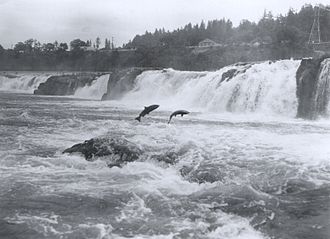
The land was rich with forests full of trees that provided edible nuts and acorns, which people stored for winter. The sea also offered plenty of food, especially salmon and shellfish, which were found in large piles called middens. These resources helped people live in places mainly in Honshu and Kyushu, but Jōmon communities existed from Hokkaido to the Ryukyu Islands.
Early Jōmon (5000–3520 BCE)
The Early Jōmon period saw a big increase in population, shown by the number of larger villages from this time. This happened during the Holocene climatic optimum, when the weather in the area became warmer and more humid.
People during this time may have started growing some plants, although it is not clear how much. They cared for trees that produced useful things, like lacquer and chestnuts, and also grew foods such as soybeans, bottle gourds, hemp, and adzuki beans. This shows that their way of living was somewhere between hunting and gathering and farming. Evidence suggests that a type of peach was already being grown in Japan, brought from China.
Middle Jōmon (3520–2470 BCE)
During the Middle Jōmon period, people created beautifully decorated pottery, including special figurines called dogū and vessels with flame-like patterns. They also made curved stone beads known as magatama, which began to be placed in graves as important items. This time saw the building of large burial mounds and monuments.
Homes during this period became more complex, with some pit-houses featuring stone floors. This style of housing continued even into a later culture called the Satsumon culture. The Middle Jōmon was also the warmest time in the Jōmon period, though the climate began to cool down toward the end.
Late and Final Jōmon (2470–500 BCE)
After 1500 BCE, the climate cooled, and fewer archaeological sites have been found from this time. The Japanese chestnut tree became very important, providing both food and durable wood for building houses.
During the Final Jōmon period, people from the Korean Peninsula began to settle in western Japan, bringing new ways of farming and making tools from bronze and iron. These new settlers lived alongside the Jōmon people for many years. Eventually, the Jōmon culture was succeeded by the Yayoi culture in most areas, while in Hokkaido, it was followed by the Okhotsk culture and Zoku-Jōmon.
Pottery
Main article: Jōmon pottery
The earliest pottery in Japan was created around 14,500 BCE by the Jōmon people, who were hunter-gatherers. Small pieces of this ancient pottery were found at places like the Odai Yamamoto I site and the Fukui cave. The pottery is called "cord-marked" because it has patterns made by pressing cords into the wet clay, a style that is among the oldest in the world. These early pots were small bowls, usually between 10 and 50 centimeters high, and were likely used for cooking and storing food.
As time went on, the Jōmon people developed many different styles of pottery, with over 70 types identified by scientists. The pottery changed over the years, becoming larger and more elaborate, which shows that people were living in one place more often. The making of pottery usually suggests that people are staying in one area, as it is too heavy and fragile for people who move around a lot. The Jōmon people were skilled at fishing and also used tools made from stone, bone, and shell.
Transoceanic similarities
The Jōmon society is often compared to the pre-Columbian cultures of the North American Pacific Northwest and the Valdivia culture in Ecuador. These cultures share similarities in their pottery and development, even though they mainly relied on hunting and gathering with only small-scale farming, known as horticulture. It is still debated whether these similarities happened by chance or if Jōmon sailors traveled far and wide.
Foundation myths
The origin myths of Japanese civilization go back to times that are now considered part of the Jōmon period, though these stories do not match what archaeologists have learned about Jōmon culture. The traditional story says that the Japanese nation began when Emperor Jimmu started ruling on February 11, 660 BCE. However, this version of history comes from Japan’s first written records, the Kojiki and the Nihon Shoki, which were written much later, between the 6th and 8th centuries, after Japan had started using Chinese characters (Go-on/Kan-on).
Some parts of modern Japanese culture might have roots in the Jōmon period, showing influences from people who came from northern Asia and the southern Pacific, together with the local Jōmon peoples. These influences can be seen in early forms of Shinto, certain building styles, and inventions like lacquerware and special bows called yumi, as well as early work with metals.
Cultural revival
In recent years, people have become very interested in the Jōmon culture. In the early 2000s, the unique cord-marked patterns from that time started appearing on modern clothing, accessories, and even tattoos. Some believe the designs on ancient clay figures called Dogū may have been tattoos too.
Efforts have also been made to recreate old Jōmon techniques, especially in making pottery using bonfires like the ancient people did. Today, Jōmon designs can be found on many things including origami, cookies, and notebooks. In 2018, an exhibition about the Jōmon period at the Tokyo National Museum attracted many visitors—over three times more than expected! Some places even have recreated Jōmon-style houses for people to see.
Pictures
Keep exploring



This article is a child-friendly adaptation of the Wikipedia article on Jōmon period, available under CC BY-SA 4.0.
Images from Wikimedia Commons. Tap any image to view credits and license.