 Safekipedia
Private transport
Adapted from Wikipedia · Discoverer experience
Private transport refers to vehicles and ways people use to travel that are not shared with everyone. Unlike buses or trains, which anyone can ride, private transport belongs to one person or a small group. This means the user can choose when and where to go, giving them more freedom.
Examples of private transport include cars, bicycles, motorcycles, and even horse-drawn carriages. People in different countries use different kinds of private transport. For instance, many use cars in the United States, bicycles in the Netherlands, and motorcycles in Germany.
Private transport can also include boats, airplanes, and snowmobiles. These vehicles let people travel for fun, work, or other reasons, depending on their needs and preferences. Whether it's a daily commute or a trip to a faraway place, private transport offers flexibility and convenience for many.
Definition
Private transport is different from public transport. It means using vehicles just for yourself or your group, not for everyone. You can decide when and where to go. Examples include private cars, bicycles, motorcycles, and even boats. Unlike public transport, which might be paid for by the government or companies, private transport costs are paid by the person using it.
Private transport can also include things like renting a car or joining a carpool. Even though you might share the ride, you are not using public transport services. Some people might ride in taxis or similar vehicles, which are hired for short trips. These can feel like private transport because you choose where to go, even though they are sometimes considered a type of public transport.
Usage
Private transport is the most common way people travel around the world. In the United States, for example, most trips are made using cars, motorcycles, and trucks. People using private transport can choose when and where they want to go, unlike public transport which has set schedules and routes.
Examples of private transport
Private transport means ways people travel that are just for themselves or their family, not for everyone to use. Some examples of private transport that use engines are:
- Automobile
- Motorboat
- Electric bicycle
- Electric skateboard
- Hovercraft
- Moped
- Motorcycle
- Motorized wheelchair
- Private aviation
- Private jet
- Motor ship
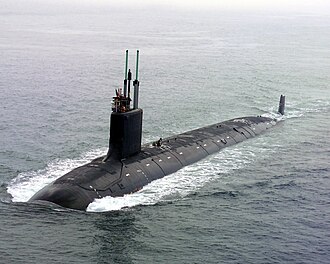
- Submarine
- Electric scooter
- Electric unicycle
- Mobility scooter
- SUV
- Pick-up truck
- Limousine
Some examples of private transport that do not use engines are:
- Bicycle
- Horse-drawn vehicle
- Hot air balloon
- Ice skates
- Inline skates
- Pack animal
- Roller skates
- Scooter
- Skateboard
- Walking
- Wheelchair
Sustainability
Cycling and walking are great ways to travel that are very good for the Earth. When people use their own energy to move, like riding a bike or walking, it uses less energy and doesn’t pollute the air, except for the natural air we breathe out while breathing.
Private transport can hurt the environment, but we can help by choosing the best way to travel for each place and need. This means thinking about how we can use cleaner and smarter travel options. The environmental impact of private transport can be made better by picking the right modal share for each situation.
Dedicated infrastructure
Private transport often needs special places for parking, refueling, or resting. Examples include automobile repair shops, controlled-access highways, parking lots, and rest areas. There are also places like drive-in theaters, motels, and filling stations made just for cars and drivers. Other special roads include racetracks for car racing and tollbooths where drivers pay to use certain roads.
Images
Related articles



This article is a child-friendly adaptation of the Wikipedia article on Private transport, available under CC BY-SA 4.0.
Images from Wikimedia Commons. Tap any image to view credits and license.