 Safekipedia
Sunburn
Adapted from Wikipedia · Discoverer experience
Sunburn is a type of skin injury that happens when the skin gets too much ultraviolet, or UV, radiation from the Sun. This can make the skin turn red, feel hot, and hurt a lot. People might also feel tired or dizzy, and sometimes the skin can get blisters or peel off.
Too much UV radiation can also lead to skin tumors, which are growths that can be dangerous if they get very bad. The body reacts to this harm by causing inflammation and damage to the DNA inside cells.
To stay safe from sunburn, it’s important to use sunscreen and wear clothes that protect the skin from the sun, especially for children who can get sunburned more easily.
Signs and symptoms
Sunburn happens when skin gets too much sunlight, leading to redness and swelling. The skin can feel hot and may even hurt. In bad cases, blisters can form, and the skin may peel later. People might also feel sick or shaky.
Small sunburns might just make the skin a little red and tender. But worse sunburns can hurt a lot and sometimes need a doctor’s help. Sunburns can start very quickly, sometimes in just seconds under very bright light. The worst of the redness and pain usually shows up about a day later and starts to get better in a few days. The skin may peel for a week or more as it heals. Getting sunburned a lot can also raise the chance of getting skin cancer later in life.
Cause
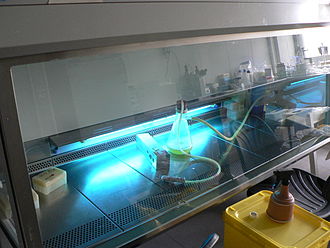
Sunburn happens when skin is exposed for too long to ultraviolet radiation from the Sun or from artificial sources like tanning lamps, welding arcs, or ultraviolet germicidal irradiation. The Sun’s ultraviolet radiation has two types that reach Earth: UVA and UVB. UVB is much more likely to cause sunburn because it has more energy.
UVB can damage important parts of cells, which leads to skin inflammation and the burning feeling. It also can harm the DNA in skin cells, causing changes that the body tries to fix. The body creates more melanin, the substance that gives skin its color, to help protect against future damage. This process can make the skin red, hot, and painful.
Risk factors
The biggest reason for getting sunburned is spending too much time in the sun, especially when the sun is strongest. Parts of your body like your face, neck, and upper back burn more easily than your arms and legs. People with lighter skin, or those taking certain medicines, are also more likely to get sunburned.
The UV Index tells us how strong the sun’s rays are at any given time and place. The sun is usually strongest between 10 am and 4 pm. Even on cloudy days, the sun can still burn your skin. Places near water, sand, snow, or concrete can make the sun’s rays stronger because these surfaces reflect the sunlight. Being closer to the equator or at higher altitudes also increases your risk of sunburn.
Your skin type matters too. Lighter skin burns more easily, while darker skin is more resistant. However, anyone can get sunburned. Some medicines can make your skin more sensitive to the sun as well. Young children and older adults should be extra careful in the sun.
Diagnosis
When trying to tell if someone has a sunburn, doctors also look for other skin problems that can be caused by too much sun. These include reactions to certain medicines or plants, and other skin conditions that get worse with sunlight.
Some medicines can make the skin very sensitive to the sun, causing a reaction that looks like a bad sunburn. Plants like limes or celery can also make the skin red and painful when exposed to sun. Other skin conditions, like lupus or eczema, can become worse after being in the sun.
Because sunburns are a type of skin damage from radiation, doctors also need to check if someone has been exposed to harmful radiation, which can cause similar problems to severe sunburns.
Treatment
The main way to treat a sunburn is to stay out of the sun and give your skin time to heal. Most sunburns get better on their own in a few weeks.
Doctors suggest taking cool baths or showers to ease pain, using soothing lotions with aloe vera or soy, and drinking plenty of water. Pain medicines like ibuprofen or aspirin can also help. It’s important not to pop any blisters that form — let them heal naturally. When you need to go outside, wear loose clothing to protect your sunburned skin and avoid further harm.
Prevalence
Sunburn happens a lot, especially to younger people. About 75 out of every 100 teenagers and young adults in the United States have had a sunburn. In northern European countries, more than half of young adults have also experienced sunburn.
Prevention
The best way to avoid sunburn is to limit how much ultraviolet (UV) light reaches your skin. Experts suggest a few simple steps to protect yourself from too much sun:
- Stay out of the sun between 10 am and 4 pm when UV rays are strongest
- Find shade when the sun is at its peak
- Wear clothes that protect you from the sun, like a wide-brim hat, sunglasses, and loose, tightly woven clothing
- Use sunscreen
- Avoid tanning beds and other artificial UV light
Erythemal action spectrum
The erythemal action spectrum helps us understand how the skin reacts to UV light by measuring when redness appears 24 hours after exposure. This helps scientists measure biological damage from UV light.
UV intensity
Many places share the UV Index, which shows how strong the sun is. The sun is usually strongest when it’s highest in the sky. To stay safe, follow the shadow rule: if your shadow is short, find shade!
Sunscreen
Sunscreen blocks UV light and comes in different strengths called SPF. The higher the SPF number, the more protection it offers. To work well, sunscreen needs to be applied correctly — about a full ounce (or a shot glass amount) for an adult’s body. Sunscreens can be made from chemicals or minerals like zinc oxide and titanium oxide. Some sunscreens protect against both UVA and UVB rays. UVA doesn’t cause sunburns but can age skin and increase cancer risk.
Recommendations
To get the most protection from sunscreen, put it on 15 to 30 minutes before going out in the sun. Reapply it every 15 to 30 minutes after you start being outside, and always reapply after swimming, sweating, or rubbing your skin. Look for sunscreens that:
- Protect against both UVA and UVB rays (broad spectrum)
- Have an SPF of 30 or higher
- Are water resistant (40 or 80 minutes)
Eyes
Your eyes can also get hurt by the sun, just like your skin. Wrap-around sunglasses that block UV light help protect your eyes. UV light can also affect eye health over time.
Lips
Your lips can get dry and cracked from the sun. Some lip balms have SPF to help protect them.
Feet
Feet skin can be sensitive to the sun. Use sunscreen, wear socks, or cover your feet with swimwear to protect them.
Diet
Eating certain foods with vitamins like Vitamin C, Vitamin E, and beta carotene may help protect your skin from sunburn.
Protecting children
Babies and children need extra protection from the sun. For infants under six months, avoid the sun and use hats, loose clothing, and window covers. For babies six to twelve months, use sunscreen that blocks both UVA and UVB rays with SPF 30 or higher. For toddlers and preschoolers, use sunscreen, hats, sunglasses, and sun-protective clothing, and avoid the sun between 10 am and 4 pm.
Artificial UV exposure
It’s best to avoid tanning beds and other artificial UV light because there is no safe amount. Special protective clothing should be worn when working with artificial UV sources.
Related articles



This article is a child-friendly adaptation of the Wikipedia article on Sunburn, available under CC BY-SA 4.0.
Images from Wikimedia Commons. Tap any image to view credits and license.