 Safekipedia
Symbols of Nova Scotia
Adapted from Wikipedia · Discoverer experience
Nova Scotia is one of Canada's provinces. Like many places, it has special symbols that represent its unique culture, history, and natural beauty. These symbols help tell the story of Nova Scotia and what makes it special to the people who live there and visitors who come to see its wonders.
Each symbol has its own meaning. Some symbols come from the plants, animals, and landscapes that are found only in Nova Scotia or are very important to the province. Others reflect the history and traditions of the people who have lived there for generations.
These symbols are used in many ways. You might see them on government buildings, in schools, on coins, or even on souvenirs. They help everyone remember and celebrate what Nova Scotia stands for and the shared values of its community.
Symbols
Nova Scotia, a province in Canada, has many special symbols that represent its identity and culture. These symbols help people feel proud of where they come from and remind them of the unique features of the province.
| Symbol | Image | Adopted | Remarks | |
|---|---|---|---|---|
| Coat of arms | Coat of arms of Nova Scotia | 1625 | Granted to the Royal Province of Nova Scotia by King Charles I of England, Mayflower added to compartment in 1929. | |
| Motto | Munit haec et altera vincit One defends and the other conquers | 1625 | ||
| Shield of Arms | Shield of arms of Nova Scotia | 1625 | Shield of arms was granted by King Charles I of England | |
| Flag | Flag of Nova Scotia |  | 1858, restored in 1929 | Created in 1858 from Arms granted by King Charles I in 1625, restored by Royal Warrant of George V after confederation. |
| Crest | The House of Assembly Crest | Crest is derived from the Shield of Arms with the addition of St. Edward's crown placed at the top of the shield. | ||
| Flower | May Flower (Trailing Arbutus) Epigaea repens |  | 1901 | Emerged as a native patriotic symbol in 1820 |
| Bird | Osprey Pandion haliaetus | 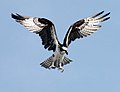 | 1994 | 400 breeding pairs exist in Nova Scotia. |
| Tree | Red Spruce Picea rubens |  | 1988 | Important sawn lumber and pulpwood product in the province. |
| Berry | Wild Blueberry |  | January 11, 1996 | Native to Nova Scotia |
| Dog | Nova Scotia Duck-Tolling Retriever | 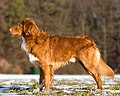 | 1995 | A dog breed native to Nova Scotia |
| Horse | Sable Island horse |  | 2008 | |
| Fish | Brook trout | 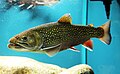 | November 23, 2006 | |
| Gemstone | Agate | 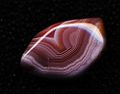 | November 23, 1999 | Found in the basalts around the Bay of Fundy |
| Mineral | Stilbite | 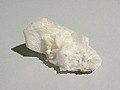 | Abundant along the Bay of Fundy and Minas Basin. | |
| Fossil | Hylonomus lyelli "forest wanderer" | 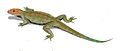 | 2002 | Is the oldest known reptile in the world. |
| Maritime ambassador | Bluenose II | Replica of the schooner Bluenose (1921–1946) | ||
| Tartan | Blue, white, greens, red and gold |  | 1955 | Nova Scotia Tartan was the first provincial tartan in Canada and was approved by the Lord Lyon King at Arms. The blue and white in the tartan stand for the sea, the greens represent the forests, red is for the royal lion on the Shield of Arms, and gold for the province's historic Royal Charter. |
| Mace | Mace of Nova Scotia |  | 1930 | It is the ancient symbol of the Royal Authority, delegated in Nova Scotia to the House of Assembly |
| Logo | The Visual Identity Program Symbol | 1996 | The symbol is used by Nova Scotia government departments and the majority of agencies and commissions for stationery, advertising, exhibits and displays as the consistent visual form by which the province identifies itself both within government and to the public. | |
| Orders | Order of Nova Scotia |  | 2002 | The Order of Nova Scotia is Nova Scotia's highest honour. The medal is in the form of the five-petalled mayflower, at the heart of the flower is the Shield of Arms for Nova Scotia and the shield is surmounted by St. Edward's crown. |
Related articles


This article is a child-friendly adaptation of the Wikipedia article on Symbols of Nova Scotia, available under CC BY-SA 4.0.
Images from Wikimedia Commons. Tap any image to view credits and license.