 Safekipedia
Old English
Adapted from Wikipedia · Explorer experience
Old English: The First English Words
Old English is the very first form of the English language. It was spoken a long time ago in England and parts of Scotland. People brought this language when they came to Great Britain from places like Germany.
Where It Came From
The people who brought Old English were called Anglo-Saxons. They came to England in the 400s. Their language mixed with older languages already there. Old English had special ways of changing word endings to show meaning, which made sentences a bit tricky!
Fun Facts About Old English
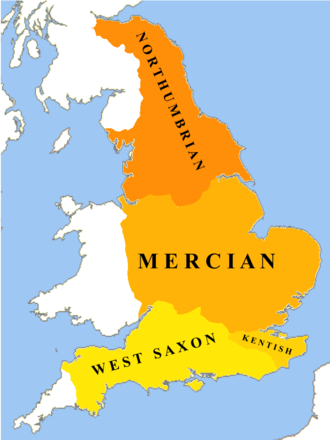
- Different Dialects: Just like today, Old English had different ways of speaking in different places. The four main types were Kentish, Mercian, Northumbrian, and West Saxon.
- Writing It Down: At first, people used special symbols called runes to write Old English. Later, they started using the Latin alphabet, which is what we use today.
- Words We Still Use: Some Old English words are still part of our language today! Words like “father,” “mother,” and “house” all come from Old English.
Why It Matters
Old English is important because it is the root of the language we speak now. By learning about it, we can understand how English language changed over time. Many books and movies love to use Old English words to sound old and magical!
Old English may seem very different from today’s English, but it is a special part of our language’s history. It shows us how people lived and talked many years ago in England.
Images
Related articles


This article is a child-friendly adaptation of the Wikipedia article on Old English, available under CC BY-SA 4.0.
Images from Wikimedia Commons. Tap any image to view credits and license.