 Safekipedia
Republic
Adapted from Wikipedia · Explorer experience
What is a Republic?
A republic is a special way that countries can be run. In a republic, people choose their leaders instead of having a king or queen. This means that the power comes from the people. Many countries around the world are republics today because people elect leaders to make decisions for them.
The word "republic" comes from a Latin phrase that means "public thing" or "people's thing." It describes a system where the government belongs to everyone, not just one ruler. In a republic, people usually vote for their leaders or help make laws.
Fun Facts About Republics
Long ago, ideas about republics started in places like Greece and Rome. These ancient cities had their own ways of governing, which were different from having a king. During the Middle Ages, new cities like Venice also formed their own ways of ruling.
Today, many countries are republics. For example, the United States of America is a republic where people vote for the President of the United States. In some republics, the president is also the head of government. In others, the president’s role is mostly symbolic, and the real power is with the prime minister.
Even inside bigger countries, there can be smaller areas that work like republics. For example, in Russia, there are areas called republics that have their own leaders chosen by the people. In Switzerland, areas called cantons have their own governments.
Republics are important because they let people have a say in how their country is run. This helps make sure that leaders work for everyone, not just a few people.
Images
Related articles


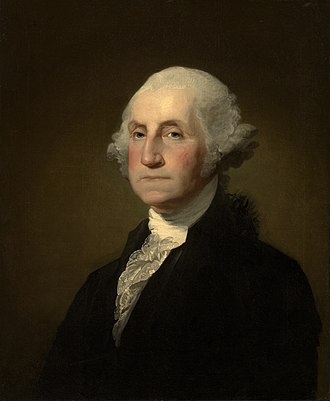
This article is a child-friendly adaptation of the Wikipedia article on Republic, available under CC BY-SA 4.0.
Images from Wikimedia Commons. Tap any image to view credits and license.