 Safekipedia
New 7 Wonders of the World
Adapted from Wikipedia · Discoverer experience
The New 7 Wonders of the World was a fun and exciting project that began in 2001. It aimed to pick the most amazing buildings and places from a big list of 200 famous monuments around the globe. People could vote for their favorites online or by phone. This big vote was led by a man named Bernard Weber from Switzerland and organized by the New 7 Wonders Foundation in Zurich.
The winners were announced on July 7, 2007, in a big stadium called Estádio da Luz in the city of Lisbon. Even though many people voted, some experts said the poll wasn’t completely fair because people could vote more than once. But it was still very popular and got lots of attention around the world.
The project started with 77 possible wonders, which were narrowed down to 21, and finally, 7 winners were chosen. The New 7 Wonders Foundation didn’t get any money from the project and only barely made back what they spent. Even though they said they were a charity group, the actual company behind them was a business that got money from sponsors. After this project, they went on to start other similar contests, like picking the New 7 Wonders of Nature and the New 7 Wonders Cities.
Winners
The pyramids at Giza Necropolis in Egypt, including the Great Pyramid, were given special honorary status. The Great Pyramid is the only one of the original Seven Wonders of the Ancient World that still stands today.
| Wonder | Location | Image | Year |
|---|---|---|---|
| Giza Pyramids (honorary status) | Giza Necropolis, Egypt | 2560 BC | |
| Great Wall of China | China | 1368 AD | |
| Petra | Ma'an, Jordan | 40 AD | |
| Colosseum | Rome, Italy | 80 AD | |
| Chichén Itzá | Yucatán, Mexico | 600 AD | |
| Machu Picchu | Cuzco Region, Peru | 1450 AD | |
| Taj Mahal | Agra, India | 1643 AD | |
| Christ the Redeemer | Rio de Janeiro, Brazil | 1931 AD |
Reactions given
In 2007, the New 7 Wonders Foundation partnered with the United Nations to support the UN's Millennium Development Goals. However, the United Nations Educational, Scientific and Cultural Organization (UNESCO) made it clear that they were not involved with the campaign. They stated that the New 7 Wonders list was based only on public voting and did not represent the whole world.
Countries also showed great interest in the campaign. In Brazil, businesses helped people vote for the Christ the Redeemer statue, even sending free text messages to encourage support. In Peru, many people voted for Machu Picchu, celebrating when it was chosen. Other countries, including India with the Taj Mahal, Jordan with Petra, and Mexico with Chichen Itzá, also ran campaigns to encourage people to vote for their famous landmarks.
Other finalists
The New 7 Wonders of the World campaign had 13 other finalists besides the seven that were chosen. These amazing places come from all around the world, showing the incredible variety of important spots people thought were wonderful.
The 13 other finalists are:
| Wonder | Location | Image | Year |
|---|---|---|---|
| Stonehenge | Amesbury, United Kingdom | 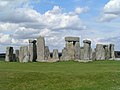 | 2400 BC |
| Acropolis of Athens | Athens, Greece |  | 447 BC |
| Hagia Sophia | Istanbul, Turkey |  | 537 AD |
| Angkor Wat | Angkor, Cambodia |  | 1113 AD |
| Moai Statues | Easter Island, Chile |  | 1250 AD |
| Timbuktu | Timbuktu, Mali | 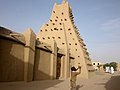 | 1327 AD |
| Alhambra | Granada, Spain |  | 1333 AD |
| Kremlin and Red Square | Moscow, Russia |  | 1561 AD |
| Kiyomizu-dera | Kyoto, Japan | 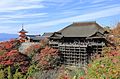 | 1633 AD |
| Neuschwanstein Castle | Füssen, Germany |  | 1869 AD |
| Statue of Liberty | New York City, United States |  | 1886 AD |
| Eiffel Tower | Paris, France | 1887 AD | |
| Sydney Opera House | Sydney, Australia | 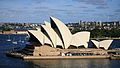 | 1973 AD |
This article is a child-friendly adaptation of the Wikipedia article on New 7 Wonders of the World, available under CC BY-SA 4.0.
Images from Wikimedia Commons. Tap any image to view credits and license.