Anvik River
The Anvik River (Yup'ik: Tuilnguq) is a 140-mile (230 km) tributary of the Yukon River in the U.S. state of Alaska. It flows southeast from the Nulato Hills to its mouth on the larger river, 1.5 miles (2.4 km) north of Anvik.
The river's watershed is characterized by seasonal flooding, high sediment loads, and permafrost influence. Geological surveys describe the Anvik-Andreafski region as dominated by schist, quartzite, and alluvial deposits, which contribute to the river's sediment and its changes in flow through the seasons. The river's yearly water patterns strongly affect fish migration and habitat, especially for salmon.
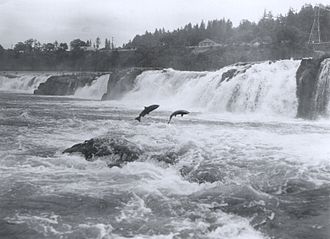
Summer chum salmon (Oncorhynchus keta) produced along the Anvik River is thought to be the largest run in the Yukon River basin. The river also offers excellent fishing for four salmon species, as well as northern pike, sheefish, Arctic char, rainbow trout, and grayling.
Rated Class 1 (easy) on the International Scale of River Difficulty, about 121 miles (195 km) of the Anvik is suitable for floating by open canoes, folding boats, kayaks, and inflatable canoes, kayaks, and rafts. Floatplanes, riverboats, and wheeled airplanes that can land on gravel bars can carry boaters as far as McDonald Creek, near the headwaters.
Ecological Importance
The Alaska Department of Fish and Game (ADF&G) runs the Anvik River Sonar Project to track chum salmon, and yearly returns average between 400,000 and 800,000 fish. Other important fish include Chinook salmon, which are prized for their size and for food and sport fishing, and Coho salmon, which matter for recreational and small-scale fishing. Whitefish species (Coregonus sp.) are a staple in Indigenous diets, while northern pike are a key predator in the ecosystem. Sheefish are valued for their large size and firm meat, and Arctic grayling help show how good the water quality is. Even though the river is very productive, climate change and commercial fishing pressures in the Bering Sea have contributed to salmon population declines, which has led to efforts to protect habitat and make fishing more sustainable.
The Anvik River's wetlands and forests along its banks provide important homes for moose, black and grizzly bears, bald eagles, and beavers. The river's floodplains and oxbow lakes serve as places where fish and migrating birds lay eggs and raise their young. The Innoko National Wildlife Refuge covers parts of the Anvik watershed, protecting the animals that rely on the river for food and shelter.
Cultural and Indigenous Significance
The Deg Hit'an Athabaskans, the Indigenous people of the lower Yukon River, have relied on the Anvik River for subsistence fishing, hunting, and seasonal camps for centuries.
Fishing is still central to food and culture in the region. According to oral histories, traditional ecological knowledge (TEK) has long guided Indigenous fishing, helping people fish in ways that last. The Deg Hit'an use fish traps, dipnets, and set nets, and they change their methods with the seasonal movements of fish. Whitefish, northern pike, and salmon are smoked or dried so they can be stored for a long time. Today, state and federal management regulate subsistence fishing, but declining salmon runs and habitat changes linked to climate have raised concerns about whether these food systems can last.
Economic Impact
Subsistence fishing is the main economic and cultural activity in Anvik and nearby villages. Because the area is remote and transportation is expensive, most households rely on fish rather than store-bought food. A 2005 study estimated that over 90% of Anvik households fish for subsistence, mostly for salmon, whitefish, and pike.
Commercial salmon fishing once gave rural communities along the Yukon River economic opportunities. However, global competition, declining fish stocks, and stricter rules have led to a near-collapse of commercial fishing in the Anvik region, and government relief programs such as the Yukon River Salmon Disaster Relief Fund have been set up to support affected communities. The Anvik River and nearby Innoko River area are also popular for sport fishing, especially for northern pike and sheefish, and guided trips bring seasonal income to local businesses. Still, the growth of tourist fishing has raised concerns about its effect on subsistence fishing.
Conservation & Environmental Challenges
Rising temperatures, thawing permafrost, and changing rain and snow patterns have changed the river's water flow, fish travel, and ice breakup. Warmer winters have led to less snowpack and earlier spring floods, which disrupt salmon spawning and reduce how many eggs survive. Warmer water also lowers oxygen levels, which threatens young salmon and other fish. The proposed Donlin Gold Mine, located upstream in the Yukon-Kuskokwim region, has raised concerns about water pollution. Commercial fishing in the Bering Sea and lower Yukon River has also contributed to fewer salmon. Bycatch, especially from trawl fisheries, has affected the salmon runs that travel up the Anvik River.
Conservation groups want stricter bycatch rules and Indigenous-led fisheries management. The Innoko National Wildlife Refuge leads habitat restoration that protects riparian zones and spawning areas. The Yukon River Salmon Final Draft Spend Plan funded research on chum salmon, including ways to forecast runs and map changes in spawning tributaries. The Tanana Chiefs Conference, ADF&G, and University of Alaska Fairbanks have worked together to record Indigenous fishing knowledge, map traditional harvest sites, and use that knowledge in fishing policies. ADF&G's sonar fish counts also track population trends, and local conservation groups are pushing for policies that put salmon conservation ahead of commercial use.

Quiz time!
5 questions about Anvik River
Where does the Anvik River flow into?
Keep exploring


This article is a child-friendly adaptation of the Wikipedia article on Anvik River, available under CC BY-SA 4.0.
Images from Wikimedia Commons. Tap any image to view credits and license.