
International Year of Astronomy
The International Year of Astronomy was a special celebration that happened in 2009. It marked the 400th anniversary of important discoveries made with a telescope by Galileo Galilei and the publication of Johannes Kepler's book Astronomia nova. This year was declared by the United Nations to bring people together to learn more about astronomy.
The International Astronomical Union led this global event, and it was also supported by UNESCO, which focuses on education, science, and culture. The celebration aimed to show how astronomy helps all cultures and to share exciting new discoveries with everyone. It also highlighted how important astronomy is for teaching science.
Big companies like Celestron and Thales Alenia Space helped support this wonderful year of learning about the stars and our universe.
Significance of 1609
In 1609, Galileo Galilei used a telescope to look at the night sky and made amazing discoveries. He saw mountains and craters on the Moon, many stars that we can’t see with our eyes alone, and moons around Jupiter. These findings changed how people understood our world.
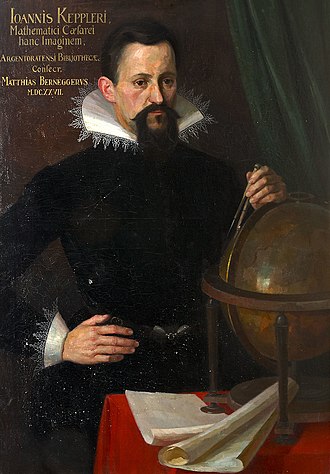
That same year, Johannes Kepler published his book Astronomia nova, where he explained important ideas about how planets move. While Galileo wasn’t the very first to look at the Moon with a telescope, he was very good at sharing his discoveries in ways that made others think and learn.
Intended purpose
The International Year of Astronomy in 2009 aimed to help people feel connected to the universe and spark a sense of wonder and discovery. Activities took place in many countries, with local groups working together to share astronomy with everyone.
Astronomy has been important in cultures around the world for a very long time. The year celebrated how astronomy helps us understand our place in the universe and inspired interest in science, especially among young people. It highlighted the teamwork between amateur and professional astronomers and aimed to make science exciting and accessible to all. The main theme was "The Universe, Yours to Discover."
The goals included increasing interest in science, giving everyone a chance to learn and explore, supporting astronomy in places where it wasn't as strong, improving science education, showing a positive view of science, building new connections, and protecting dark skies important for stargazing. The initiative also wanted to help children in economically disadvantaged areas learn more about the world around them.
The Secretariat
The main center for the International Year of Astronomy activities was the IYA2009 Secretariat. It was set up to help plan, run, and review the year's events. The Secretariat was located at the European Southern Observatory in Garching near Munich, Germany. Its job was to work closely with national groups, task groups, partners, the media, and the public to make sure the year went smoothly. The Secretariat and its website were important places for sharing information and resources, especially for developing countries that needed extra help to organize big events.
Cornerstone projects
The International Year of Astronomy 2009 had eleven main projects called Cornerstone projects. These projects helped people around the world learn more about space and astronomy. They focused on different topics, like helping girls and women in science, protecting dark skies, and teaching students and teachers about the universe.
100 Hours of Astronomy
100 Hours of Astronomy was a big event from April 2 to 5, 2009. It aimed to get as many people as possible to look through a telescope, just like Galileo did 400 years ago. The event included special shows online, activities for students and teachers, and public viewing sessions at science centers, planetariums, and museums.
Galileoscope
The Galileoscope was another event from April 2 to 5, 2009. It aimed to give people a simple telescope to use, just like the one Galileo used. These telescopes were easy to put together and use, so everyone could try observing the stars and planets.
Cosmic Diary
The Cosmic Diary was an event from April 2 to 5, 2009. Instead of talking about space science, it focused on what it's like to be an astronomer. Astronomers shared stories about their lives, families, and work. They wrote in many languages from all around the world. Big space organizations like NASA also shared updates on their work.
The Portal to the Universe
The Portal to the Universe was an online event from April 2 to 5, 2009. It created a website where people could find news, pictures, and videos about astronomy. The site helped connect teachers, students, scientists, and anyone interested in space. It also had tools to help people share and discuss astronomy together.
She Is an Astronomer
She Is an Astronomer was an event from April 2 to 5, 2009. It focused on encouraging girls and women to study and work in astronomy. The project provided information and resources to help girls learn about careers in space science. It also created a place online where people could ask questions and talk about making science open to everyone.
Dark Skies Awareness
Dark Skies Awareness was an event from April 2 to 5, 2009. It taught people about light pollution and how extra lights at night can make it hard to see the stars. The event included fun activities like counting stars to help people notice how bright or dark their night sky is.
Astronomy and World Heritage
UNESCO and the International Astronomical Union worked together on Astronomy and World Heritage, an event from April 2 to 5, 2009. This project linked science and culture by studying places around the world important to astronomy. The goal was to protect these special sites and share their stories.
Galileo Teacher Training Program
The Galileo Teacher Training Program helped teachers learn how to teach astronomy better. From 2009 to 2012, the program trained special teachers called “Galileo Ambassadors.” These teachers then helped other teachers use fun activities and tools to teach students about space.
Universe Awareness
Universe Awareness was an event from April 2 to 5, 2009. It introduced young children, especially those from different backgrounds, to the wonders of space. The program used the night sky to spark curiosity and help children feel connected to the world around them.
From Earth to the Universe
The From Earth to the Universe project began in June 2008 and continued through 2011. It brought astronomy pictures and stories to public places like parks, hospitals, and shopping centers. The goal was to interest people who might not usually think about space or science.
Developing Astronomy Globally
The Developing Astronomy Globally event from April 2 to 5, 2009 focused on helping areas of the world that did not have strong astronomy programs. It aimed to train teachers, share ideas, and build networks to grow astronomy around the globe.
Galilean Nights
The Galilean Nights event took place from October 22 to 24, 2009. Astronomers around the world set up telescopes in public places to show people the planets, the Sun, the Moon, and other wonders of space, just like Galileo did 400 years ago. The goal was to share the excitement of space with everyone.
Pictures
Keep exploring


This article is a child-friendly adaptation of the Wikipedia article on International Year of Astronomy, available under CC BY-SA 4.0.
Images from Wikimedia Commons. Tap any image to view credits and license.