
MRNA vaccine
An mRNA vaccine is a type of vaccine that uses a copy of a molecule called messenger RNA (mRNA) to help the body fight diseases. The vaccine delivers special mRNA into cells. These cells use the mRNA as a guide to make a protein that is normally produced by a harmful pathogen, like a virus. This protein helps the body's immune system learn to recognize and fight the real virus if it enters the body later.
One big advantage of mRNA vaccines is that they can be designed and made more quickly than traditional vaccines. They also help the body build both types of immunity needed to fight diseases. Some mRNA vaccines need to be kept very cold before use, but others do not have this requirement.
During the fight against COVID-19 vaccines, mRNA vaccines became very important. In December 2020, regulators in the UK and the United States approved the first mRNA vaccines for widespread use. In 2023, two scientists received a special prize for their work that helped make these vaccines possible.
History
Early research
In 1989, scientists first showed that a special kind of molecule called messenger RNA (mRNA) could be put into cells to make them produce a specific protein. This was a big step because it proved that mRNA could deliver important information to cells. A year later, scientists tested this idea by putting the mRNA directly into mice muscles.
Soon after, in 1993, scientists found that mRNA could also help the body’s immune system respond to viruses. By 1994, they had created a special kind of mRNA that could make the immune system react to both viruses and cancer cells.
Development
In 2001, the first test in people using mRNA to fight cancer began. In 2005, scientists learned how to protect the mRNA so the body would not reject it. By 2008, tests showed that mRNA could be used directly in the body to fight cancer.
In 2008, a company named BioNTech was started, and another called Moderna began in 2010. These companies focused on using mRNA for medical purposes. Around the same time, a US government group began supporting this research, seeing its potential to help during diseases that spread quickly.
Acceleration
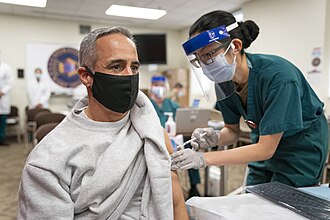
When the COVID-19 disease started in early 2020, scientists quickly used mRNA to create vaccines. By the end of 2020, two mRNA vaccines for COVID-19 were approved for use in people.
Combination vaccines
In 2026, a new vaccine was created that used mRNA to protect against both flu and COVID-19.
Mechanism
Further information: Immune system
Vaccines work by helping the body’s defense system learn to fight off germs. They do this by showing the body a piece of what makes the germ work, called an antigen.
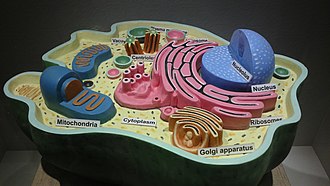
Unlike older vaccines that use weakened or dead germs, mRNA vaccines use a tiny piece of a germ’s genetic code called mRNA. When this mRNA enters a cell, the cell reads it and makes a harmless piece of the germ. This piece then helps the body learn to recognize and fight the real germ if it ever shows up. The mRNA does not last long and does not change the body’s own DNA.
mRNA
The main part of an mRNA vaccine is a special copy of a tiny molecule called mRNA. Scientists make this mRNA in a lab using a special recipe. This mRNA acts like a set of instructions for our cells to make a harmless piece of a germ, like a virus.
Our cells use these instructions to build the piece of the germ. This helps our body learn to recognize and stay safe from the real germ if we ever meet it later. Scientists can change parts of the mRNA to make it last longer and work better, which helps the vaccine protect us more effectively.
Delivery
For a vaccine to work, enough mRNA must get inside cells to help make special proteins. But mRNA has trouble getting into cells because it is big and can break down easily.
There are two main ways to get mRNA into cells. One way is to take cells from a person, add the mRNA to them in a lab, and then put the cells back into the person. Another way is to put the mRNA directly into the body, such as into the skin, blood, or muscles.
Different methods help protect the mRNA and get it into cells. One method uses tiny fat particles called lipid nanoparticles to shield the mRNA and help it enter cells. Another method uses special materials or tiny devices to mix the mRNA with helpful substances. Some research also looks at using safe viruses to carry the mRNA into cells.
Advantages
mRNA vaccines have special benefits compared to older kinds of vaccines. Unlike traditional vaccines, mRNA vaccines do not use live or dead germs. This means they cannot cause infections. Because the body makes the needed pieces inside its own cells, mRNA vaccines help the body learn to fight diseases in two ways.
Creating mRNA vaccines is also quicker and easier. For example, one company made a COVID-19 mRNA vaccine design in just two days. Making these vaccines can be faster, cheaper, and more consistent than older methods, which helps when we need to respond quickly to new health threats.
In addition to these benefits, mRNA vaccines have advantages over another newer type called DNA vaccines. mRNA does not need to enter the central part of the cell, which keeps it safer. Special changes can be made to the mRNA to help it work better and last longer in the body. Scientists can also tweak the mRNA recipe to make it even more effective.
Disadvantages
Some mRNA vaccines need to be kept very cold to stay effective. For example, the Pfizer–BioNTech vaccine must be stored between −80 and −60 °C, while Moderna's can be kept between −25 and −15 °C, similar to a home freezer.
Before 2020, no mRNA vaccines had been approved for human use, so there were unknown risks. The COVID-19 pandemic made mRNA vaccines important, leading to discussions about how they should be approved.
Side effects from mRNA vaccines are usually similar to other vaccines. Some people might feel unwell, like having a fever, but most will not have severe effects that stop them from doing daily activities.
Efficacy
The COVID-19 mRNA vaccines from Moderna and Pfizer–BioNTech were found to be over 90 percent effective at stopping the original SARS-CoV-2 virus. Before these vaccines, other drug trials for different germs were not successful and were stopped early. Scientists are still learning why these new vaccines work so well.
One doctor thought it might be because so many resources were used to create them, or because the vaccines might cause a strong body reaction that helps the immune system work better. Some people felt strong effects like aches or fevers after getting the vaccine, but these feelings went away quickly. In June 2021, the US FDA added a note about a small chance of heart issues for some people after getting the vaccine.
Hesitancy
Further information: Misinformation related to the COVID-19 pandemic and vaccine hesitancy
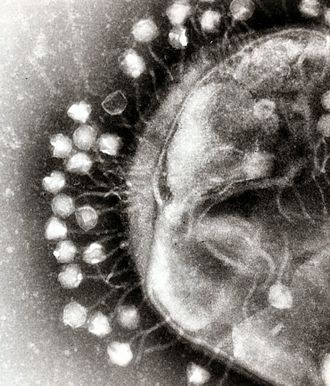
Some people have been told that mRNA vaccines can change DNA, but this is not true. The mRNA in vaccines breaks down quickly and cannot get into the part of the cell that holds DNA. Only certain viruses, called retroviruses, can get into that area and make changes, but vaccines are not like these viruses. They do not have the tools needed to change DNA, so they are safe to use.
Amplification
mRNA vaccines can use two types of mRNA: non-amplifying and self-amplifying. The vaccines from Pfizer–BioNTech and Moderna use non-amplifying mRNA. Scientists are studying both types to see how well they work for other diseases and even cancer.
Non-amplifying
The first mRNA vaccines use a type called non-amplifying mRNA. This kind of mRNA has just one part that tells the body to make a specific protein. The amount of mRNA the body gets is exactly what was put in the vaccine. To make it safer, scientists changed a part of the mRNA called uridine to N1-Methylpseudouridine.
Self-amplifying
Main article: Self-amplifying RNA
Self-amplifying mRNA, also called saRNA, can make more copies of itself inside the body after it is given. It has two parts: one that tells the body to make the needed protein, and another that helps make more mRNA. This means you need less of the vaccine to work. Scientists are researching saRNA vaccines for diseases like malaria. The first saRNA vaccine for Covid was approved in India in June 2022. Another one, ARCT-154, was approved in Japan in November 2023.
Companies like GSK and Gritstone bio tested saRNA Covid vaccines in 2021. The Gritstone vaccine was meant to be used as a booster vaccine and aimed to protect against different versions of the SARS‑CoV‑2 virus. saRNA vaccines need uridine to work properly.
Keep exploring



This article is a child-friendly adaptation of the Wikipedia article on MRNA vaccine, available under CC BY-SA 4.0.
Images from Wikimedia Commons. Tap any image to view credits and license.