 Safekipedia
Promotional merchandise
Adapted from Wikipedia · Discoverer experience
Promotional merchandise are special products that have a logo or slogan on them. These items are given away or sold for very little money to help tell people about a brand, company, or event. People often call these items "swag," "freebies," or "promo products."
These products are used in marketing and sales. They might be small trinkets, and they are often given out at trade shows, conferences, or when salespeople visit other companies. Companies also include them in products they ship to customers as bonus items.
Video games sometimes have their own special promotional items, called feelies. All these items help make a brand or event more memorable and well-known.
History
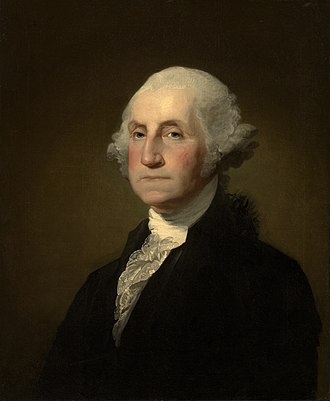
The first known promotional products in the United States were commemorative buttons made for the election of George Washington in 1789. In the early 1800s, people also used advertising calendars, rulers, and wooden items, but there was no organized industry for making and sharing these items until later.
Jasper Meek, a printer from Coshocton, Ohio, helped start the industry. He convinced a local shoe store to give out book bags with the store’s name on them to schools. Another printer, Henry Beach, also from Coshocton, began doing the same, and the two started selling many items like marble bags, buggy whips, and hand fans with logos on them.
In 1904, 12 makers of promotional items formed the first group to support the industry. Today, this group is called the Promotional Products Association International or PPAI, and it has over 10,000 members around the world.
The promotional merchandise industry in the UK and Ireland began to grow in the late 1950s as companies learned more about marketing. The big growth happened in the 1970s when more companies saw the value of giving out gifts with their logo. At first, there were not many different products to choose from.
By the 1990s, new services appeared to help sellers of promotional products, and groups formed to offer special catalogues to certain sellers. These catalogues helped sellers show customers what they could offer.
Before the 1990s, most promotional products were sold around Christmas. But as society changed, companies found new ways to use promotional items all year. By the early 2000s, catalogues changed from being main sales tools to more like a business card, showing what a company could do.
Distributors learned about new products by going to trade shows around the world. In 2004, an online service was created to connect distributors with makers of promotional products. By 2008, most distributors had websites, but ordering online was still difficult because of the many steps needed to add logos to products.
Sourcing
In countries like the United States, Canada, the United Kingdom, Ireland, Australia, and New Zealand, companies often buy special products to promote their brand from special companies called promotional merchandise distributors. These companies are also known as promotional consultants or promotional product distributors.
These special products are usually printed with a company's logo, name, or message in specific colors. Distributors help companies prepare the design in the right format and sometimes even create the design for them. Then, they send the design to manufacturers or printers with instructions on how to print the logo. Many of these distributors work online or in person, helping companies who don’t want to handle the details themselves.
Products and uses
Promotional merchandise is used all around the world to help people remember brands, products, and companies. They are often given away at events like shows and new product announcements. These items can also help support causes, like raising money for important events such as walks for health awareness.
Many everyday items can have a company's name or logo on them, such as T-shirts, keychains, posters, pens, mugs, toys, and more. Wearable items like clothes are very popular choices. Eco-friendly products made from recycled materials are becoming more common too.
Most promotional items are small and cheap, but sometimes they can be fancy, like expensive gifts given to celebrities at film festivals. Companies might give out luxury items like handbags, hoping the celebrities will wear them in public to help promote the brand. These items are used for many reasons, such as building relationships with employees, attracting people to events, and supporting causes like cancer awareness.
Promotional items are also used in politics and by schools and charities to support their campaigns. One famous example is the Livestrong wristband, which helped raise money and awareness for cancer survivors and research. Companies often work with special distributors who know how to create and deliver these promotional products to customers.
Trade associations
In the UK, two main groups support the promotional merchandise industry: Promota, started in 1958, and the BPMA, begun in 1965. The BPMA helps by studying the market and offering services to companies that make and sell these products. Since 2010, the BPMA works with Trade Only, a UK company that runs the main trade show for this industry. The show happens at the Ricoh Arena in Coventry, usually in the third week of January. The BPMA also holds a special dinner during the show.
In the United States, PPAI (the Promotional Products Association International) is a nonprofit group that offers big trade shows, training, online tools, and legal help. Another group, the Advertising Specialty Institute, calls itself the largest media and marketing group for this industry.
In Europe, a new organization called EPMO or PME (Product Media Europe) is being created to include countries across the region.
Market statistics
United Kingdom
In 2025, the promotional merchandise industry in the United Kingdom earned about £1.2 billion each year. This industry has been growing slowly, adding about 2.8% each year for the past five years. It provides jobs for around 25,000 people in over 2,400 businesses. Big sporting events and the demand for special, high-quality products have helped this growth. Online shopping and digital marketing are also expected to bring more business in the future.
United States
In 2024, the promotional products industry in the United States grew by 2.63%, reaching USD 26.78 billion. Online sales made up 25.5% of this money, showing strong growth as more people shop digitally. Products that are better for the environment made up 13.77% of sales, showing that people want eco-friendly items. Common promotional items include T-shirts, writing tools, tech accessories, bags, keychains, brochures, bookmarks, and notebooks.
Australia and New Zealand
In Australia and New Zealand, branded products are popular because people like them. Studies show that most people feel better about a company after getting a free product from them. People remember the brand name better when they receive items like shirts or bags. In Australia, the market is worth about AUD $1.071 billion, and in New Zealand, it is worth NZD $144 million. These products are kept for a long time, with many people holding onto them for over a year.
Images
Related articles




This article is a child-friendly adaptation of the Wikipedia article on Promotional merchandise, available under CC BY-SA 4.0.
Images from Wikimedia Commons. Tap any image to view credits and license.