 Safekipedia
Roman cuisine
Adapted from Wikipedia · Discoverer experience
Roman cuisine is the cooking style of the city of Rome. It uses fresh and simple ingredients from the nearby countryside called the Roman Campagna. Popular foods include peas, globe artichokes, fava beans, shellfish, milk-fed lamb, and goat. You can also find cheeses like pecorino romano and ricotta.
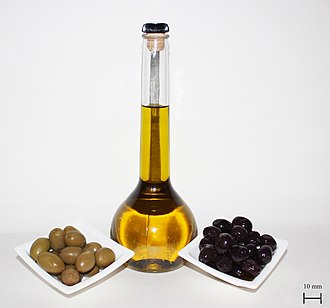
People in Rome like to use olive oil to add flavor to raw vegetables. For cooking, they often use strutto, which is pork lard, or fat from prosciutto. Sweet treats in Rome include small pastries called pasticcini, gelato, and handmade chocolates.
Special foods are sometimes eaten on certain days. For example, gnocchi is a meal enjoyed on Thursdays, baccalà (salted cod) is eaten on Fridays, and trippa (offal) is a dish for Saturdays.
Overview
Main article: Italian cuisine
Roman cuisine uses fresh and simple ingredients from the Roman Campagna. Popular foods include peas, globe artichokes, fava beans, shellfish, milk-fed lamb and goat, and cheeses such as pecorino romano and ricotta. Olive oil is often used for raw vegetables, while strutto (pork lard) and fat from prosciutto are used for frying.
Special treats in Rome include small pastries called pasticcini, gelato, and handmade chocolates. Certain dishes are eaten on specific days, like gnocchi on Thursdays and baccalà (salted cod) on Fridays. Pasta dishes such as carbonara and amatriciana are popular, along with spicy tomato pasta called arrabbiata. The region also enjoys dishes made from lamb, like abbacchio. Other famous foods include cheese from ewes' milk, pizza al taglio, and savory pork roast called porchetta.
History
Rome's food has changed a lot over many years as the city grew and its culture evolved. In ancient times, Roman meals often included grains, cheeses, beans, and fruits. As the Roman Empire expanded, people in Rome started to try new foods and cooking methods from other places.
Later, during a time called the Italian Renaissance, Rome became famous for its fancy cooking. Some of the best chefs worked for important leaders called popes. One chef, Bartolomeo Scappi, wrote a book with about 1,000 recipes and even showed the first picture of a fork. The food in Rome also changed when new crops, like the tomato, came from other parts of the world.
Traditional cucina romana
The Testaccio area of Rome, once a place for traders and butchers, is where many of the city's most traditional foods are still enjoyed today. Roman cuisine includes many special dishes made from all parts of the animal, such as roasted lamb with herbs and spices. There is also a Jewish influence in Roman food, with dishes like Jewish-style artichokes that have been enjoyed for over 400 years.
Pasta in Rome
Pasta is an important part of Roman food. Some famous Roman pasta dishes are cacio e pepe, which means cheese and black pepper, and gricia, a sauce made with guanciale and hard cheese like pecorino romano. Other popular dishes include carbonara, which is similar to gricia but adds egg, and amatriciana, which adds tomato to gricia. While Fettuccine Alfredo is well-known in other places, it was invented in Rome but is not considered a traditional Roman dish. The most common pasta shape in Rome is spaghetti, but many other shapes are also enjoyed.
Beverages
Rome is famous for its white wines. Two of the best white wines come from Frascati and Roman Castles.
Desserts
Roman cuisine includes many delicious desserts and sweets. A special treat from Rome is called grattachecca, which is made with shaved ice. Many of these sweet foods use ricotta cheese, a favorite in the area.
Dishes
Roman food uses fresh and simple ingredients from the nearby countryside. Popular foods include peas, globe artichokes, fava beans, shellfish, milk-fed lamb and goat, and cheeses like pecorino romano and ricotta. The dishes are usually prepared in a straightforward way to let the natural flavors shine.
| Name | Image | Description |
|---|---|---|
| Abbacchio alla romana | It is a preparation of lamb typical of the Roman cuisine. It is consumed throughout central Italy as an Easter and Christmas dish. Abbacchio is a product protected by the European Union with the PGI mark. In Romanesco dialect, the offspring of the sheep who is still suckling or recently weaned is called abbacchio, while the offspring of the sheep almost a year old who has already been shorn twice is called agnello (lit. 'lamb'). This distinction exists only in the Romanesco dialect. | |
| Bucatini all'amatriciana | A sauce made with tomatoes, guanciale (cured pork cheek), pecorino romano cheese, black pepper, extra virgin olive oil, dry white wine, and salt. Originating in the comune (municipality) of Amatrice (in the mountainous province of Rieti of the Lazio region), the amatriciana is one of the best known pasta sauces in present-day Roman and Italian cuisine. | |
| Bruschetta | An appetizer (antipasto) consisting of grilled bread topped with garlic, olive oil, and salt. Most commonly it is served with toppings of tomatoes, vegetables, beans, cured meat or cheese. | |
| Cacio e pepe | A pasta dish typical of the Lazio region of Italy. Cacio e pepe means 'cheese and pepper' in several central Italian dialects. The dish contains grated pecorino romano and black pepper. | |
| Carbonara | A pasta dish made with fatty cured pork, hard cheese, eggs, salt, and black pepper. | |
| Carciofi alla giudia | It is among the best-known dishes of Roman Jewish cuisine. The recipe is essentially a deep-fried artichoke, and originated in the Jewish community of Rome, giudìo being the term for Jew in the Romanesco language. | |
| Carciofi alla romana | It is a typical dish of Roman cuisine of pan braised artichokes. During spring-time in Rome, the dish is prepared in each household and is served in all restaurants. | |
| Coda alla vaccinara | It is an oxtail stew in modern Roman cuisine including various vegetables, notably celery. The tail is considered offal, nicknamed in Rome the quinto quarto (lit. 'fifth fourth'). | |
| Coppiette | Stripes of dried meat (pork or horse), usually spicy | |
| Crostata di ricotta | It is a baked tart or pie. It is made with ricotta cheese mixed with sugar and lemon zest, and which may additionally include cocoa or raisins. | |
| Fiori di zucca | Zucchini flowers filled with mozzarella and anchovies, battered and deep-fried | |
| Gnocchi alla romana | They are prepared with gnocchi made of semolina, whole milk, butter, and Parmesan cheese, seasoned with salt and black pepper. | |
| Maritozzi | They are made with an enriched dough bread roll that is split after baking and cooling and filled with cream. They are enriched buns, made with dried fruit and filled with whipped cream. | |
| Pasta alla gricia | According to one hypothesis, the name of the dish derives from the Romanesco word gricio. In papal Rome, the grici were sellers of common foods, and got this name because many of them came from Valtellina, at that time possession of the Swiss canton of Grigioni. Pasta alla gricia then would mean pasta prepared with the simple ingredients (guanciale, pecorino romano, and black pepper) readily available at the local gricio. | |
| Penne all'arrabbiata | It is a spicy sauce made with tomatoes, garlic, peperoncino, parsley, and extra virgin olive oil. The sauce originates from the Lazio region of Italy, and particularly from the city of Rome. | |
| Rigatoni con la pajata | Pagliata (or, in Romanesco dialect, pajata) is a traditional Roman dish primarily using the intestine of a young calf (tripe). As it has only eaten milk, the resulting dish is similar to cheese in a sausage casing. The classic preparation includes pagliata accompanied by rigatoni in rigatoni con la pajata (Romanesco dialect; standard Italian: rigatoni con la pagliata). | |
| Saltimbocca alla romana | Saltimbocca is an Italian dish (also popular in southern Switzerland). It consists of veal that has been wrapped (lined) with prosciutto and sage and then marinated in wine, oil or salt water, depending on the region or one's own taste. The original version of this dish is saltimbocca alla romana which consists of veal, prosciutto and sage, rolled up and cooked in dry white wine and butter. Marsala is sometimes used. Also, sometimes the veal and prosciutto are not rolled up but left flat. | |
| Scaloppine alla romana | Scaloppine (plural and diminutive of scaloppa—a small escalope, i.e., a thinly sliced cut of meat) consists of thinly sliced meat, most often beef, veal, or chicken, that is dredged in wheat flour and sautéed in one of a variety of reduction sauces. The sauce accompanying scaloppine can come in many varieties according to regional gastronomic traditions. Popular variations include tomato-wine reduction; scaloppine al limone or piccata, which denotes a caper-and-lemon sauce; scaloppine ai funghi, a mushroom-wine reduction; and pizzaiola, a pizza-style tomato sauce. | |
| Supplì | Supplì (Italianization of the French word surprise) are snacks consisting of a ball of rice (generally risotto) with tomato sauce, typical of Roman cuisine. Some believe that they derive from the French croquettes and were introduced to Rome by the French troops of Napoleon at the beginning of the 19th century. | |
| Trippa alla romana | Once a popular dish among the poorest inhabitants of Rome, trippa alla romana has become a staple of Roman cuisine. It is part of quinto quarto (lit. 'fifth quarter', or the offal of butchered animals), a type of cuisine born from poor, peasant kitchens. Each animal was divided into quarters (quarti); the first quarter (primo quarto) consisted of the best cuts and these went to the nobility. The second quarter was for the clergy. The third quarter (terzo quarto) was for the bourgeois (or merchant) class, and the fourth quarter was for soldiers. All that was leftover became quinto quarto and was distributed among the rest of the population, including the vaccinari (butchers). Trippa alla romana is an ancient recipe, traditionally prepared during Saturday lunch, so much so that nowadays in historic trattorias it is possible to see a sign that says "Sabato Trippa". The dish is prepared with tripe, white onions, peeled tomatoes, carrots, white wine, pecorino romano cheese and pennyroyal leaves. | |
Images
Related articles




This article is a child-friendly adaptation of the Wikipedia article on Roman cuisine, available under CC BY-SA 4.0.
Images from Wikimedia Commons. Tap any image to view credits and license.