
Spanish cuisine
Spanish cuisine is the way people in Spain cook and enjoy their food. It has many different styles depending on the region, so you can find lots of variety across the country.
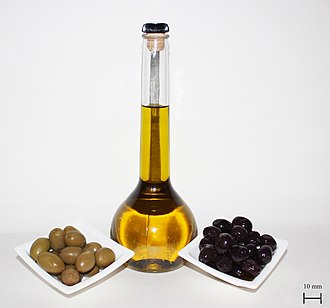
One key ingredient in Spanish cooking is olive oil, and Spain makes more of it than any other country in the world. Olive oil is used to make tasty sauces for vegetables, called sofritos. Common herbs used in Spanish dishes include parsley, oregano, rosemary, and thyme. Garlic is also used a lot in many recipes.
Popular meats in Spanish cuisine are chicken, pork, lamb, and veal. Fish and seafood are enjoyed regularly too. In bars and cafes, people often eat small snacks called tapas or pinchos, which are fun to share with friends.
History
See also: History of Spain
Antiquity
According to Strabo, nuts and acorns were important foods in the Middle Ages. The Greeks and Phoenicians brought vineyards and olive oil production to Spain. Spain later became the world's largest producer of olive oil. During the Roman Era, the growing of wheat, grapes, and olives provided basic foods like bread, wine, and oil.
Middle Ages
The Visigoths added fermented milk products to Spanish food.
It is believed rice came to Spain in the 6th century. After the Muslim conquest of the Iberian peninsula, Arabs expanded rice farming and brought new ways to water the land. They also brought crops like sugar cane, watermelon, lemon, and oranges. Other foods like sorghum, spinach, eggplant, peach, apricot, and saffron also arrived during this time. The famous Spanish dish, paella, uses rice and saffron, both popular during this period.
The Moors helped develop pastry and introduced a way to preserve food using vinegar called escabeche. They also created dishes like ajo blanco, alboronía, alajú, hallulla, albóndigas, mojama, and arrope. Even though Muslims did not drink alcohol, wine was still widely enjoyed.
Jews in Spain followed special food rules and cooked dishes like Potajes and adafina. Early Spanish cookbooks include Llibre de Sent Soví [es] (1324) and Ruperto de Nola's Llibre de Coch [es] (1520).
Modern era
See also: Columbian exchange
When Europeans reached the Americas in 1492, they brought new foods to Spain like tomatoes, potatoes, maize, bell peppers, spicy peppers, paprika, vanilla, and cocoa. Spain was where chocolate was first mixed with sugar. Other foods like rice, grapes, and olives also traveled to the Americas.
By the 18th century, foods like peppers and tomatoes became common in Spanish cooking. Dishes such as tortilla de patata, Gazpacho, salmorejo, and pan con tomate all use tomatoes, which came from the Americas.
For most of the 19th century, rich people in Spain ate food inspired by French cooking. But writers and food experts began to create a Spanish style of cooking. One expert suggested serving olla podrida (a meat and vegetable stew) at important meals to represent Spanish food.
The book 1080 recetas de cocina by Simone Ortega became very popular in Spain. Television cooking shows began in 1984 with Con las manos en la masa.
Meal routines
In Spain, people usually have a simple breakfast, called desayuno, either right after waking up or before going to work. Common breakfast foods include coffee, milk, chocolate drinks, biscuits like Marie biscuits, magdalenas, and toast with ingredients such as oil, tomato, or butter. Some also enjoy churros.
Lunch, known as el almuerzo or la comida, is the big midday meal. It often starts around 2:00–2:30 p.m. and ends around 3:00–3:30 p.m. Lunch usually includes several courses like soup, salad, meat or fish, and a dessert such as fruit or yogurt. Sometimes, small dishes called tapas are served before or during lunch. After lunch, Spanish people often sit and chat, which is called sobremesa.
Dinner, or la cena, is eaten later in the evening, between 8:30 p.m. and 11:00 p.m. It is usually smaller, with one course and a dessert. Because there is a long break between lunch and dinner, many people have an afternoon snack called la merienda around 6:00 p.m. This snack might be coffee, something sweet, a sandwich, or a piece of fruit.
Some popular foods found all over Spain include croquetas (croquettes), paella (a rice dish), gazpacho (a cold vegetable soup), and tortilla de patatas (Spanish omelette). Tapas, small dishes served as appetizers, are also very common and can be enjoyed before or during meals.
Regional cuisines
Andalusia
Main article: Andalusian cuisine
Andalusian cuisine has two styles: rural and coastal. This region uses the most olive oil in Spain. A famous dish is gazpacho, a cold soup made with vegetables like tomatoes and peppers, vinegar, water, salt, olive oil, and bread. Other cold soups include poleá, zoque, and salmorejo.
Eating olives as a snack is common. Meat dishes include flamenquín, pringá, oxtail stew, and menudo gitano. Hot soups include sopa de gato and caldillo de perro. Fish dishes include pescaíto frito, soldaditos de Pavía, and parpandúa. Cured meats include serrano ham and ibérico ham. Typical drinks include anise, wine like Malaga and Jerez, and sherry brandy.
Aragon
Main article: Aragonese cuisine
Aragonese cuisine has a rural origin. A famous dish is asado de ternasco (roast lamb), cooked with garlic, salt, olive oil, laurel leaves, thyme, and parsley. Pork dishes like magras con tomate are also popular. Bread-based recipes include migas de Pastor, migas con chocolate, regañaos, and goguera.
Legumes are important, and popular vegetables include borage and thistle. Cured meats like Jamón de Teruel and ham from Huesca are common. Cheeses like queso de Tronchón are notable. Fruit-based dishes include frutas de Aragón (candied fruits covered in chocolate) and maraschino cherries. Melocotón con vino is a drink made from peaches infused in red wine.
Other sweets include trenza de Almudevar, tortas de alma, guirlache (a type of nougat), adoquín del Pilar, and Españoletas. Aragon's wines come from Cariñena, Somontano, Calatayud, and Campo de Borja.
Asturias
Main article: Asturian cuisine
Asturian cuisine has a rich history. A famous dish is fabada asturiana, a stew made with white beans, sausages like chorizo and morcilla, and pork. Another popular dish is fabes con almejas (beans with clams). Asturian beans can also be cooked with hare, partridge, prawns, or octopus. Other dishes include pote asturiano and potaje de vigilia.
Pork-based foods like chosco, callos a l'asturiana, and bollu preñáu are popular. Meat dishes include carne gobernada (roasted veal), cachopo (veal steak stuffed with ham and cheese), and caldereta. Fish and seafood from the Cantabrian Sea, like tuna, hake, and sardines, are important. Asturian cheeses like Cabrales cheese are well-known. Asturian cider, made from apples, is traditionally poured from a height to become bubbly.
Notable desserts include frisuelos (similar to crêpes), rice pudding, and carbayón (puff pastry cakes filled with almond mash).
Balearic Islands
Main articles: Balearic cuisine and Cuisine of Menorca
Balearic cuisine has Mediterranean characteristics. Some well-known foods are sobrassada, arroz brut, mahón cheese, gin de Menorca, and mayonnaise. Dishes include tumbet, frito mallorquín, and roasted suckling pig. Popular desserts include ensaïmada, tambor d'ametlla, and suspiros de Manacor.
Basque Country
Main article: Basque cuisine
Basque cuisine has a wide range of ingredients. Highlights include meat and fish dishes. Fish like cod (bacalao) is prepared in various ways, such as bacalao al pil pil and bacalao a la vizcaína. Anchovies, bream, and bonito are also popular. A famous dish is changurro (stuffed king crab). Common meat dishes include beef steaks, pork loin with milk, fig leaf quail, and marinated goose.
Txakoli (a white wine) and Basque cider are staple drinks.
Canary Islands
Main article: Canarian cuisine
Canarian cuisine is unique due to its location in the Atlantic Ocean. Fish and potatoes are common, along with cheese, fruits, and pork. The islands grow tropical and semitropical crops like bananas, yams, mangoes, avocados, and persimmons.
The aboriginal Guanches based their diet on gofio (a flour made from toasted grains), shellfish, and goat and pork products. Gofio is still part of the traditional cuisine. A common sauce is mojo, which comes in green (made from coriander or parsley) and red (made from chili peppers) varieties.
Classic dishes include papas arrugadas, almogrote, frangollo, rabbit in salmorejo sauce, and stewed goat. Popular desserts include truchas, roasted gofio, príncipe Alberto, and quesillo (a type of flan). Malvasia wine from Lanzarote is internationally recognized.
Cantabria
Main article: Cantabrian cuisine
A popular Cantabrian dish is cocido montañés (highlander stew), made with beans, cabbage, and pork. Seafood is widely used, and bonito is common in dishes like sorropotún or marmita de bonitu. Recognized meats include Tudanca veal and game meat.
Cantabrian pastries include sobaos and quesadas pasiegas. Dairy products include Cantabrian cream cheese, smoked cheeses, picón Bejes-Tresviso, and quesucos de Liébana. Alcohols include orujo (pomace brandy), cider (sidra), and chacoli wine. Cantabria has two wines with protected status: Costa de Cantabria and Liébana.
Castile-La Mancha
Main article: Castilian-Manchego cuisine
Castile-La Mancha cuisine reflects the foods eaten by shepherds and peasants. Wheat and grains are key ingredients, used in bread, soups, gazpacho manchego, migas, and porridge. Garlic is abundant, leading to dishes like ajoarriero, ajo puerco, and ajo mataero.
Traditional recipes include gazpacho manchego, pisto manchego, and migas ruleras. Morteruelo, a type of foie gras, is popular. Manchego cheese is renowned. The region's dry lands support small animals like rabbits and birds (pheasant, quail, partridge, squab), leading to game meat dishes like conejo al Ajillo (rabbit in garlic sauce) and perdiz escabechada (marinated partridge).
Castile and León
Main articles: Castilian-Leonese cuisine, Leonese cuisine, and Cuisine of the province of Valladolid
Castile and León cuisine includes morcilla (black pudding), judión de la Granja, sopa de ajo (garlic soup), cochinillo asado (roast piglet), lechazo (roast lamb), and chuletón de Ávila (Ávila rib steak). Other foods include botillo del Bierzo, hornazo from Salamanca, jamón de Guijuelo, salchicha de Zaratán, other sausages, Serrada cheese, queso de Burgos, and Ribera del Duero wines.
Major wines include robust Toro wine, reds from Ribera del Duero, whites from Rueda, and clarets from Cigales.
Catalonia
Main article: Catalan cuisine
Catalan cuisine features foods from coastal, mountain, and interior climates. Famous dishes include escudella, pa amb tomàquet, coca de recapte, samfaina, thyme soup, caragols a la llauna, and the bomba de Barceloneta. Notable sauces include romesco sauce, aioli, bouillabaisse, and picada.
Cured pork includes botifarra and fuet from Vic. Fish dishes include suquet (fish stew), cod stew, and arròs negre. Vegetable dishes include calçots and escalivada (roasted vegetables). Desserts include Catalan cream, carquinyolis, panellets, tortell, and neules.
Extremadura
Main article: Extremaduran cuisine
Extremaduran cuisine is simple, with dishes based on those prepared by shepherds. It is similar to Castilla cuisine and abundant in pork. Iberian pig herds raised in Montánchez fields are known for their dark skin and thin legs. Pork products like sausages are common in stews like cocido extremeño and cachuela (pork liver pâté seasoned with paprika, garlic, and spices).
Other meat dishes include lamb stew or goat stew (caldereta de cordero and caldereta de cabrito). Game meats like wild boar, partridge, pheasant, or venison are also used. Distinctive cheeses include quesos de torta (sheep milk cheeses). Desserts include leche frita, perrunilla, and pestiños (fritters). Cod and tench are popular fish, with dishes like moje de peces or escarapuche.
Soups are often bread-based, served hot or cold. Pennyroyal mint is used to season gazpachos or soups like sopa de poleo. Extremaduran ajoblanco is a cold soup with egg yolk and vegetables. The northeastern comarca of La Vera produces pimentón de la Vera, a smoked paprika used in Extremaduran cuisine. The region also has a tradition of vino de pitarra (homemade wine).
Galicia
Main article: Galician cuisine
Galician cuisine is known for its stews and soups. A notable dish is pork with turnip tops, part of the Galician carnival meal laconadas. Another recipe is caldo de castañas (chestnut broth), eaten in winter. Pork products are popular, and cattle raising is common, so red meat with potatoes is often consumed.
Galician seafood dishes include empanadas, octopus, scallops, crab, and barnacles. In Santiago de Compostela, travelers traditionally eat scallops upon arrival. Dairy products include queso de tetilla. The queimadas is a folkloric preparation of orujo with orange or lemon peels, sugar, or coffee beans, flambéed in a ceremony. Sweets like tarta de Santiago and filloas (crêpes) are famous.
La Rioja
La Rioja is known for meats like pork and cold cuts, produced after traditional slaughter. Lamb is also popular (chuletillas al sarmiento). Veal is common in mountainous areas. Famous dishes include Rioja style potatoes and fritada. Another well-known dish is caparrones (Rioja stew). Lesser-known dishes are almuerzo del Santo and ajo huevo (garlic eggs). Pimientos asados (roasted peppers) is a notable vegetable dish.
La Rioja is famous for its red wine, so most dishes are served with wine. Rioja wine has designated origin status.
Madrid
Main article: Cuisine of the Community of Madrid
Madrid did not have a special regional identity before 1561, when King Philip II made it the capital of Spain. Since then, many dishes have been adapted from other Spanish regions due to immigration. Madrid was one of the first cities to introduce the concept of the restaurant in the nineteenth century.
Murcia
The cuisine of Murcia has two versions: one linked to the huerta (irrigated areas) and another closer to Manchego cuisine. Murcia is famous for its fruit production. Outstanding dishes include tortilla murciana, zarangollo, mojete, aubergine a la crème, and pipirrana. A typical sauce is ajo cabañil, used with meat dishes.
Regional dishes include michirones (beans with bay leaves, hot peppers, and garlic), olla gitana, cocido murciano con pelotas, and sopa de mondongo. Meat products include morcilla (black pudding) flavored with oregano and pastel murciano (ground beef pastry). Fish and seafood include dorada a la sal, prawns from the Mar Menor, and baked octopus. Rice dishes include caldero, arroz empedrado, paella Valenciana, arroz de escribano, and arroz viudo.
Confectionery includes exploradores and pastel de Cierva, found in pastry shops. Paparajotes is a dessert made from lemon leaves. Murcia has wine appellations like Jumilla, Bullas, and Yecla.
Navarra
The gastronomy of Navarra has similarities with Basque cuisine. Well-known dishes include trucha a la navarra (Navarra-style trout), ajoarriero, cordero en chilindrón, and relleno. Recipes like Carlists eggs (omelet) are also common. Salted products include chorizo de Pamplona, bacalao al ajoarriero, stuffing, and sausage. Lamb and beef have designations of origin. Dairy products include Roncal cheese, curd, and Idiazabal cheese. Typical drinks include claret and pacharán.
Valencia
Main article: Valencian cuisine
Valencian cuisine has rural and coastal aspects. A famous creation is paella, a rice dish cooked with vegetables and meats (originally rabbit and chicken). Other dishes include arroz con costra, arròs negre, fideuá, arròs al horn, and rice with beans and turnips.
Coastal towns supply fish for dishes like all i pebre (fish stew), typical of Albufera. Desserts include coffee liqueur, chocolate Alicante, arnadí, and horchata. During Christmas, nougat is made in Alicante and Jijona. Another dessert is peladillas (almonds in caramel).
Notable Spanish chefs
Spain has many famous chefs who have made big contributions to cooking. Ferran Adrià is well-known for his creative work in modern food styles and Catalan cuisine. Elena Arzak leads a top restaurant in San Sebastián and is famous for her special ways of making food from the Basque region.
Other notable chefs include Juan Mari Arzak, Santi Santamaría, Martín Berasategui, Carme Ruscalleda, and José Andrés, who hosts a show called Made in Spain on PBS. There are many more talented chefs in Spain who have helped shape the way people cook and enjoy food today.
Pictures
Keep exploring


This article is a child-friendly adaptation of the Wikipedia article on Spanish cuisine, available under CC BY-SA 4.0.
Images from Wikimedia Commons. Tap any image to view credits and license.