 Safekipedia
Whakaari / White Island
Adapted from Wikipedia · Discoverer experience
Whakaari / White Island, also called White Island or Whakaari, is an active volcano about 48 km off the east coast of New Zealand's North Island, in the Bay of Plenty. It is made mostly of andesite rock and is one of the world's most active cone volcanoes. Only the top part of the volcano is above water; most of it lies under the sea.
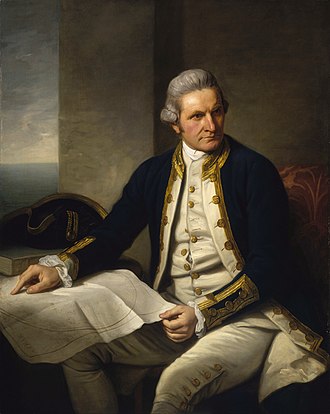
The island has been releasing volcanic gas almost constantly since explorer James Cook saw it in 1769. It erupted many times between 1975 and 2000, and again in 2012, 2016, and 2019. Sadly, a big eruption on December 9, 2019, caused many injuries and deaths. People visited the island to see its interesting volcanic activity, but this eruption reminded everyone of the dangers of living near an active volcano.
Geography
Whakaari / White Island is shaped like an irregular oval, measuring about 3 kilometres (1.9 mi) long and 2 kilometres (1.2 mi) wide. It covers roughly 325 hectares (800 acres) and sits in the Bay of Plenty, 48 kilometres (30 mi) from the North Island of New Zealand. The island has an active crater with an acidic lake in the center. Its highest point, Mount Gisborne, reaches 321 metres (1,053 ft) above sea level.
The island is rugged with cliffs along most of its coast. One area with gentler slopes is Te Awapuia Bay, also called Crater Bay, where old buildings and a wharf can be found. Nearby, there are colonies of gannet birds. Several small rocks and islets can be seen along the northeast coast, and there are interesting sea stacks just offshore.
Geology
Whakaari / White Island is a volcano made from two overlapping cones called Ngatoro and Central. The Ngatoro Cone no longer has active eruptions and has worn down over time. The Central Cone is still active and has an open crater on its southeast side due to past landslides and eruptions.
The island is part of a much larger underwater volcano called White Island Volcano, stretching 16 by 18 kilometres. The area around the island slopes gently into the sea before dropping steeply into deeper water.
Volcanology
Whakaari / White Island is part of the Taupō Volcanic Zone, which is a long line of volcanoes. This zone is connected to even bigger systems under the sea.
Geological history
For thousands of years, Whakaari / White Island has had hot springs, mud pools, and steam vents. Today, there is a big crater lake filled with hot, acidic water. This lake changes size depending on weather and activity.
The volcano sometimes erupts, shooting out ash and steam. These eruptions do not always create new lava flows, but they can change the island's shape. Scientists watch the volcano closely using cameras and instruments. Usually, the volcano just steams and bubbles, but sometimes it erupts.
In 2019, the volcano erupted suddenly, which was very dangerous for people visiting the island. Since then, the volcano continues to show signs of activity, with steam and gas sometimes rising from it.
Volcanologists watch Whakaari / White Island all the time. They use special tools to check for earthquakes and other signs of activity. Even when the volcano is quiet, it can still let out steam and ash.
In March 2000, small openings appeared on the crater and started sending out ash. In July 2000, a bigger eruption covered the island in mud. Big eruptions in 1981–83 changed parts of the island and created a lake.
In August 2012, the island became more active, and a small eruption happened. More eruptions followed over the years. In January 2013, there were signs that an eruption might happen soon, and a small one did occur in August 2013.
As of August 2024, there is still some activity, with weak ash and steam coming out sometimes.
2019 eruption
Main article: 2019 Whakaari / White Island eruption
In November 2019, the volcano started acting more active.
On 9 December 2019, Whakaari / White Island erupted suddenly. Many people were on the island at the time, and the eruption was very dangerous. Experts said it was a type of eruption caused by steam and gases exploding. After that day, there were small amounts of ash coming out, but no more big eruptions. Later checks showed that new lava had come up into the places where the eruption happened.
History
The Māori name for the island is Whakaari, meaning "to make visible" or "exposed to view". Its full Māori name is te puia whakaari, meaning "The Dramatic Volcano". The island was named "White Island" by Captain Cook in 1769 because of the white steam often seen coming from it. In 1997, the island’s name was changed to "Whakaari / White Island", giving it both Māori and English names.
Some Māori stories say Whakaari was used by ancestors for warmth, while others tell of how it rose from the sea after the god Māui shook fire from his body. In the late 1800s, people tried to mine sulphur from the island, but stopped after an accident in 1914. The island was privately owned by different people over time and is now held by the Whakaari Trust.
Local government
The island is not part of any local council area. Instead, the Minister of Local Government oversees it, with help from the Department of Internal Affairs. Because the island has no people living on it and the land is not developed, there are few local government duties. For larger regional matters, the island falls under the care of the Bay of Plenty Regional Council.
Natural life
Whakaari / White Island is an important place for Australasian gannets. Every year, thousands of these birds come to the island to find mates, care for their young, and eat fish from the surrounding waters. Though the island has very few plants, seaweed grows nearby, and the gannets use it to help keep their chicks cool. Besides gannets, the island is also home to red-billed gulls, great-winged petrels, and white-fronted terns.
BirdLife International has named the island an Important Bird Area because of the large gannet colony there.
Access
Whakaari / White Island is privately owned and was declared a private scenic reserve in 1953. Visitors cannot land without permission, but authorized tourist operators can take people there.
The waters around the island are great for fishing. You can find Yellowtail kingfish all year and catch hapuka and bluenose in the winter. In summer, you might catch blue, black, and striped marlin, plus yellowfin tuna. Small boats leave from the port at Whakatāne for day trips or longer stays.
Since the 2019 eruption, tours to the island have not been running.
Images
Related articles

This article is a child-friendly adaptation of the Wikipedia article on Whakaari / White Island, available under CC BY-SA 4.0.
Images from Wikimedia Commons. Tap any image to view credits and license.