 Safekipedia
Aperture
Adapted from Wikipedia · Explorer experience
What is an Aperture?
An aperture is like a tiny door for light. It controls how much light goes through a lens or a mirror. This helps make pictures clear and bright.
In many tools that use light—like cameras, telescopes, and even our eyes—there is a part that acts like this door. In cameras and telescopes, it is often a special piece called a diaphragm. In our eyes, it is the iris, which changes the size of the pupil.
How Does an Aperture Work?
Think of the aperture like the iris in your eye. When it is very bright outside, your pupil gets smaller. When it is dark, your pupil gets bigger to let in more light. In cameras, the aperture can be opened or closed to let in more or less light.
When the aperture is open wide, it lets in a lot of light. This is good for taking pictures in dark places. When the aperture is closed a little, it lets in less light. This can help keep pictures clear, especially if the picture is moving.
Aperture in Different Places
In Cameras and Photography
In photography, the size of the aperture is shown with numbers called f-numbers. A low f-number, like f/2.8, means the aperture is open wide. A high f-number, like f/16, means the aperture is closed tight.
Photographers change the aperture to control how much light reaches the image sensor. They also use it to decide how much of the picture stays in focus. A smaller aperture keeps more of the scene in focus.
In Telescopes
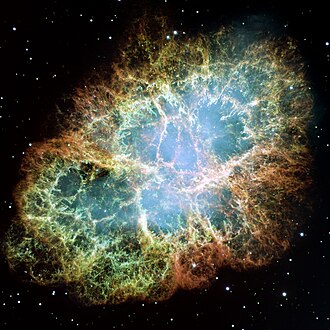
In astronomy, the aperture is very important. Big telescopes have large apertures to let in more light from faraway stars and planets. A bigger aperture lets the telescope see fainter objects in space.
In Our Eyes
Our eyes also have an aperture! The pupil is the opening in the eye that lets light in. The iris changes the size of the pupil. When it is bright, the iris makes the pupil small. When it is dark, the iris makes the pupil big so we can see better.
Fun Facts About Apertures
- The word “aperture” comes from old words that mean “to open.”
- In cameras, the aperture is like the iris of the eye—it changes size to let in light.
- Big telescopes have very large apertures to see faraway stars and planets.
Apertures help us see the world clearly, whether we are taking pictures, looking at the stars, or just looking around with our eyes!
Images
Related articles


This article is a child-friendly adaptation of the Wikipedia article on Aperture, available under CC BY-SA 4.0.
Images from Wikimedia Commons. Tap any image to view credits and license.