
Coastal erosion
What Is Coastal Erosion?
Coastal erosion is the slow loss of land along the coast. It happens when waves, currents, tides, and storms wear away rocks and soil. This process can shape the coastline in many interesting ways, creating natural features like tunnels, bridges, columns, and pillars.
Erosion is especially strong where the land has soft rocks and loose sand. Strong winds can blow sand that slowly wears down rocks. Because of climate change, sea levels are rising. This makes coastal erosion happen more quickly and in more places around the world. As the oceans get higher, many coastlines will change over time.
How Waves Change the Land
When waves hit the land near the ocean, they can wear it away in several ways. First, waves can push air into cracks in cliffs. This pressure can break small pieces of rock, which fall into the water.
Next, small rocks can bump into each other as waves move them. This makes the pieces smaller and smoother over time. Waves can also crash against cliffs and use small rocks to scrape away at the rock on the cliff.
Protecting the Coast
There are ways to help stop coastal erosion. One way is to build walls called seawalls. These can help protect the land but need regular care. Another way is to add extra sand to beaches, called beach nourishment. This helps for a short time.
We can also use plants and natural materials to fight erosion. These living shorelines are strong during storms and help keep water clean. They also support wildlife.
Places Affected by Erosion
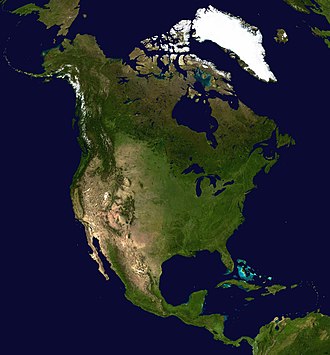
Coastal erosion changes the environment and affects communities. It is a problem in many places around the world, from North America to Europe, Asia, and island nations. People are working to protect shorelines and reduce erosion.
Erosion can wear away important places like dunes, wetlands, beaches, and barrier islands. These places help protect us from strong storms and big waves. When erosion takes them away, it can hurt plants and animals that live near the coast.
Pictures
Keep exploring




This article is a child-friendly adaptation of the Wikipedia article on Coastal erosion, available under CC BY-SA 4.0.
Images from Wikimedia Commons. Tap any image to view credits and license.