
Hadrosauridae
Hadrosaurids
Hadrosaurids, also called hadrosaurs or duck-billed dinosaurs, were special plant-eating dinosaurs. They had flat, duck-like bones on their snouts, which made them look very interesting. These dinosaurs lived a long time ago during the Late Cretaceous Period. Some well-known types are Edmontosaurus and Parasaurolophus.
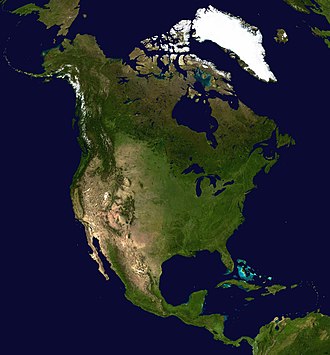
These dinosaurs were very common in places like Asia and North America. They had special teeth in complex structures called dental batteries, which helped them chew tough plants. Hadrosaurids could walk on two legs or four, depending on their age. Younger ones often moved on two legs, while adults usually walked on four.
Hadrosaurids had two main groups. One group, called lambeosaurines, had hollow crests on their heads. The other group, called saurolophines, did not have hollow crests but sometimes had solid ones instead. Scientists have found many fossils of these dinosaurs, which helps us learn about their lives.
The first hadrosaur fossils were found in North America by Ferdinand Vandeveer Hayden between 1854 and 1856. Joseph Leidy studied these fossils and named two species. Later, William Parker Foulke named another species called Hadrosaurus foulkii. These discoveries helped scientists learn more about these fascinating dinosaurs.
Hadrosaurids probably began in North America and then spread to Asia. During a time called the late Campanian to Maastrichtian, some hadrosaurids moved to South America. Later, some from Asia moved to an island in Europe that is now part of France and Spain.
Hadrosaurids are known for their flat, duck-like snouts and special teeth for eating plants. Some had large crests on their heads, which they may have used to make sounds or show off. Their front teeth formed a beak perfect for nibbling leaves and twigs from forests. The back of their mouths had many teeth for grinding food. Scientists believe hadrosaurs ate plants close to the ground, such as horsetails, and sometimes taller plants too.
Pictures
Keep exploring


This article is a child-friendly adaptation of the Wikipedia article on Hadrosauridae, available under CC BY-SA 4.0.
Images from Wikimedia Commons. Tap any image to view credits and license.