Light
What Is Light?
Light is a kind of electromagnetic radiation. It is the part that the human eye can see. We see light as colors, like the ones in a rainbow.
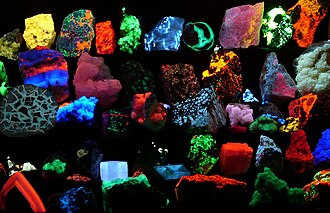
Some light is too small for us to see. Ultraviolet light is invisible to people, but some insects can see it.
Where Light Comes From
The main natural source of light on Earth is the Sun. Long ago, people used fire to make light, from ancient campfires to kerosene lamps. Today, electric lights have mostly taken the place of firelight.
Some animals can make their own light. This is called bioluminescence. For example, fireflies use light to find mates.
Light and Energy
Sunlight gives energy to green plants. The plants use it to make sugars. Animals that eat plants get energy from these sugars. This process is called photosynthesis.
In science, the word "light" can mean any kind of electromagnetic radiation, even if we cannot see it. Gamma rays, X-rays, microwaves, and radio waves are also light.
Light travels very fast. In a vacuum, light moves about 186,282 miles every second.

Quiz time!
3 questions about Light
What do we see light as?
Pictures
Keep exploring




This article is a child-friendly adaptation of the Wikipedia article on Light, available under CC BY-SA 4.0.
Images from Wikimedia Commons. Tap any image to view credits and license.