 Safekipedia
Wildlife of Canada
Adapted from Wikipedia · Discoverer experience
The wildlife of Canada or biodiversity of Canada consist of over 80,000 classified species, and an equal number thought yet to be recognized. Known fauna and flora have been identified from five kingdoms: protozoa represent approximately 1% of recorded species; chromist (approximately 4); fungi (approximately 16%); plants (approximately 11%); and animals (approximately 68%). Insects account for nearly 70 percent of documented animal species in Canada. More than 300 species are found exclusively in Canada.
There are 20 major ecosystems – ecozones – in Canada: 15 terrestrial and 5 marine. Canada's major biomes are the tundra, boreal forest, grassland, and temperate deciduous forest. Since the end of the last glacial period, Canada has consisted of eight distinct forest regions, with approximately half of its land area covered by forests (roughly 8 percent of the world's forested land).
Due to human activities, invasive species and environmental issues in the country, there are currently more than 800 species at risk of being lost. Over 1400 invasive species of fish, plants, insects and invertebrates have been introduced to Canada through intentional and unintentional means. About 65 percent of Canada's resident species are considered secure. Protected and conservation areas have been established to preserve and restore Canadian flora and fauna species. Approximately 5000 Canadian animal species and 30,000 Canadian plant species are restricted from export for international trade.
Biodiversity
Habitat
Further information: Geography of Canada
Canada has many different types of land and water areas. These include forests, prairies, tundra, and many lakes and rivers. The biggest forest area is the boreal forest, and the largest tundra area is in the Arctic. Canada also has many wetlands and waterways, including the long Mackenzie and Saint Lawrence Rivers.
Fauna
Main article: Fauna of Canada
Canada is home to many animals, including about 200 kinds of mammals, over 460 bird species, and many fish, amphibians, and reptiles. You can find black bears, moose, and caribou in different parts of the country. Birds like robins and eagles live here too. The coasts have whales, seals, and many types of fish. Many birds from other places visit Canada in the spring and summer.
Flora
Main articles: Flora of Canada and Forests of Canada
Canada has many plants, with about 17,000 different kinds. Forests cover much of the country, with trees like spruce, fir, and pine. Different areas have different plants, such as tundra flowers and coast forest trees.
Species at risk
Main article: List of Wildlife Species at Risk (Canada)
Canada has special rules to help protect animals and plants that are in danger. These rules are called the Species at Risk Act. The goal is to keep animals and their homes safe so they don’t disappear forever.
Many animals in Canada are in trouble because of pollution, losing their homes, or new animals moving in. Over 800 animals and plants are at risk, including some that are very rare or might not be found in the wild anymore. Some of these include the Canada lynx, polar bear, and whooping crane.
Invasive species
Main articles: Invasive species in Canada and Aquatic invasive species in Canada
Further information: List of invasive species in North America
More than 1,400 invasive species, including fish, plants, insects, and other small animals, have come to Canada in many ways, some on purpose and some by accident. Over 450 of these are plants, and more than 400 are insects. The Great Lakes area has almost 200 invasive species, making it one of the places in Canada most affected by these outsiders. Water areas are often more affected than land areas.
Some invasive species, like the sea lamprey, zebra mussels, and mountain pine beetle, have changed where animals and plants live and made it hard for native species to survive. Plants like purple loosestrife and leafy spurge can grow very fast, taking over space that belongs to native plants and even crops.
Conservation
Main article: Protected areas of Canada
Canada has set aside parts of its land and water to help protect plants, animals, and natural spaces. About 12% of Canada's land and freshwater and 14% of its ocean areas are protected. These places are managed by different groups, each with its own goals, such as keeping nature healthy, allowing people to visit, or studying wildlife.
Canada started protecting its natural areas early. In 1911, it created the first national park agency in the world, now known as Parks Canada. Laws like the Migratory Birds Convention Act and the Canada Wildlife Act help guard birds and other wildlife. There are also special areas for fish and marine life. Many of these protected spaces are overseen by government agencies, local communities, or both.
National wildlife symbols
Main article: National symbols of Canada
Canada does not have a special flower or bird to represent the country at the national level.
Provincial and territorial wildlife symbols
Main article: List of Canadian provincial and territorial symbols
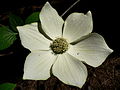
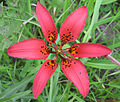
Each province and territory in Canada chooses special plants, animals, and other natural items to represent its unique wildlife. These symbols help show what kinds of life can be found in each area.



Images
Related articles




This article is a child-friendly adaptation of the Wikipedia article on Wildlife of Canada, available under CC BY-SA 4.0.
Images from Wikimedia Commons. Tap any image to view credits and license.