Centuriate assembly
What Is It?
The centuriate assembly (Latin: comitia centuriata) was a popular assembly in ancient Rome. During the Roman Republic, its main job was to choose leaders like consuls, praetors, and censors.
The assembly had 193 centuries. These groups were shared among Roman citizens based on wealth and age. Older and richer people had much more say.
Where It Began
Old Roman stories say the assembly started long ago, during the regal period. At first, it looked a lot like the Roman army. The richest people served on horses as equites, and the poorest, the proletarii, did not have to serve.
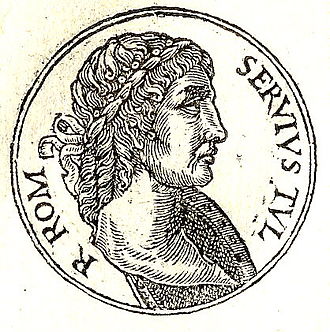
Roman tradition says the king Servius Tullius set it up. Nobody is completely sure how it really started.
How Voting Worked
Voting favored the upper classes. The richest groups voted first, and the others voted after them. Once enough people had chosen a winner, the voting stopped.
Voters met outside the city on the campus Martius, beyond the pomerium. Later, under Augustus, they gathered in a large place called the saepta Julia.
Later Years
The assembly kept meeting during the Roman Empire. But it mostly approved choices that the emperor or the senate had already made. This is why people sometimes say it was a rubber stamp.
The last time the assembly is recorded is in the third century AD.

Quiz time!
3 questions about Centuriate assembly
What was the main job of the centuriate assembly?
Pictures
Keep exploring




This article is a child-friendly adaptation of the Wikipedia article on Centuriate assembly, available under CC BY-SA 4.0.
Images from Wikimedia Commons. Tap any image to view credits and license.