Sui dynasty
A Long Time Ago in China
The Sui dynasty was a Chinese imperial dynasty that ruled China from 581 to 618. Before the Sui, China had been split apart for a long time. The Sui helped bring the land back together under one rule.
The dynasty was started by Yang Jian, who is also called Emperor Wen. At first, the Sui capital was near Chang'an, which is today's Xi'an. Later, the capital moved to Luoyang.
Big Projects
The Sui built many large projects. One of the most famous is the Grand Canal, a long waterway. It joined Luoyang in the east with Chang'an in the west. It also reached Yangzhou and Hangzhou, and it stretched north toward Beijing.
The Sui also helped extend the Great Wall. Over time, the canal helped people trade, travel, and share ideas for many years.
Ideas That Lived On
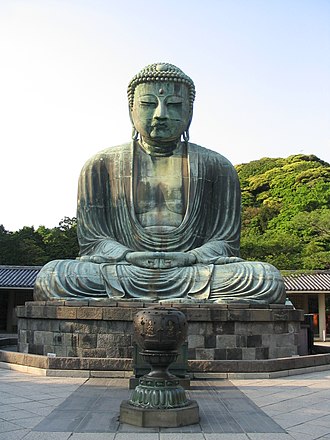
The Sui encouraged Buddhism to spread across the land. Many of their ideas were later grown stronger by the Tang dynasty, which led a new golden age in Chinese history.
The Sui are often compared to the Qin dynasty, another group of rulers who joined China together. The Sui dynasty was short, but it helped shape China's future.

Quiz time!
3 questions about Sui dynasty
What did the Sui help bring back together?
Pictures
Keep exploring


This article is a child-friendly adaptation of the Wikipedia article on Sui dynasty, available under CC BY-SA 4.0.
Images from Wikimedia Commons. Tap any image to view credits and license.