
Umlaut (diacritic)
What Is an Umlaut?
An umlaut is a special mark made by putting two tiny dots above a letter. You can see it on letters like ä, ö, and ü. This mark tells us the vowel sound has changed a little.
Where Do We See Umlauts?
Umlauts are most famous in the German language. When you read German words, the dots help you say them right. For example, the word schön means “beautiful,” and the umlaut changes how we say the “ö”.
You might also spot umlauts on signs, like road signs in Germany. They help people read and say the words correctly.
Why Do We Use Umlauts?
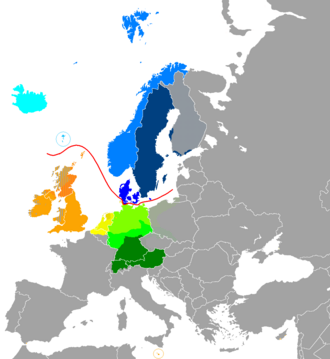
The word “umlaut” means “changed sound” in German. Long ago, in old German times, some vowel sounds started to shift. Writers found a clever way to show this change by adding two dots above the letters.
Today, many languages besides German use umlauts too. Places like Azerbaijan, Estonia, and Hungary use these special letters to show special sounds in their words.
Umlauts help us speak and write more clearly. They make sure everyone says a word the right way, whether it’s on a sign, in a book, or in a song!
Pictures
Keep exploring


This article is a child-friendly adaptation of the Wikipedia article on Umlaut (diacritic), available under CC BY-SA 4.0.
Images from Wikimedia Commons. Tap any image to view credits and license.