
Greco-Buddhist art
Greco-Buddhist Art
Greco-Buddhist art is a special way of making art that mixes ideas from Ancient Greek art and Buddhism. It started in a place called Gandhara, which is in the northwest part of India. This art began when different people, like rulers and travelers, brought their cultures together.
Where It Started
The art grew most when the Kushan Empire was strong. People like Alexander the Great and later Ashoka, a Buddhist ruler, helped spread Buddhism in the area. The art shows Buddhist stories but uses styles from Ancient Greece. One big idea is that it was the first time Buddha was shown as a human in art.
What It Looks Like
Greco-Buddhist art has realistic and detailed pictures. Buddha is often shown looking like a Greek king, wearing robes that look like Greek clothes. Buildings in the art have Greek-style designs, like special columns and patterns. Sometimes, Greek gods appear with Indian gods in the artworks.
Why It Matters
This art influenced many places. It spread from Gandhara to Afghanistan, Central Asia, and even to China. The style changed over time but always kept a mix of Greek and Indian ideas. Artists used stone and stucco to make sculptures for temples and important places.
Places to See It
Many museums around the world have Greco-Buddhist art. Some big collections are at the Peshawar Museum in Pakistan, the Indian Museum in Kolkata, and the Musée Guimet in Paris. Other museums like the British Museum in London and the Tokyo National Museum in Japan also have beautiful examples of this art.
Pictures
Keep exploring
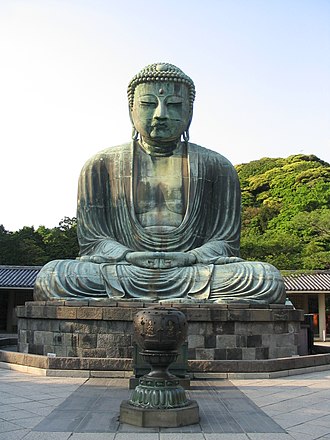


This article is a child-friendly adaptation of the Wikipedia article on Greco-Buddhist art, available under CC BY-SA 4.0.
Images from Wikimedia Commons. Tap any image to view credits and license.