
Patterns in nature
Patterns in Nature
Patterns in nature are beautiful and repeating shapes we see all around us. They help make the world look organized and interesting. You can find patterns in many places, like in trees, waves, and even in the sand of deserts.
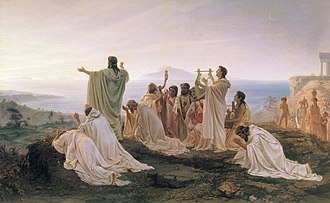
Many smart people have studied these patterns for a long time. Early Greek philosophers like Plato and Pythagoras looked at how nature follows order. Later, scientists discovered that math can help explain these shapes. For example, Alan Turing showed how simple rules can create spots and stripes on animals.
Patterns appear in many different forms. Symmetries are when one side looks like the other, like in butterfly wings. Spirals show up in shells and flowers. Tessellations are patterns made by repeating shapes, like the hexagons in a honeycomb. Even cracks in dry mud follow special rules.
These patterns help living things in many ways. They can help animals hide or attract friends. Plants might grow in certain shapes to catch more sunlight or water. Studying these patterns helps scientists understand how nature works and creates such beautiful designs.
Pictures
Keep exploring



This article is a child-friendly adaptation of the Wikipedia article on Patterns in nature, available under CC BY-SA 4.0.
Images from Wikimedia Commons. Tap any image to view credits and license.